
Why Co‑Creation Matters in Modern B2B SaaS
When I first stepped into the SaaS arena, I thought the hardest part of winning a deal was closing the sale. I was wrong. The real challenge lies in keeping the conversation alive long after the contract is signed. In today’s hyper‑connected world, customers expect more than a static product roadmap—they want a seat at the table. That’s where co‑creation enters the scene: a structured, collaborative process that transforms passive users into active partners.
From Transactional to Transformational Relationships
Traditional engagement models treat customers as data points: churn rates, NPS scores, and usage metrics. Those numbers are useful, but they don’t tell the story of why a user loves—or loathes—a feature. By inviting customers into the ideation and testing phases, you surface the emotional drivers that fuel loyalty. Think of it as moving from a one‑way broadcast to a two‑way dialogue where every insight you gather is immediately validated and acted upon.
The Anatomy of a Successful Co‑Creation Session
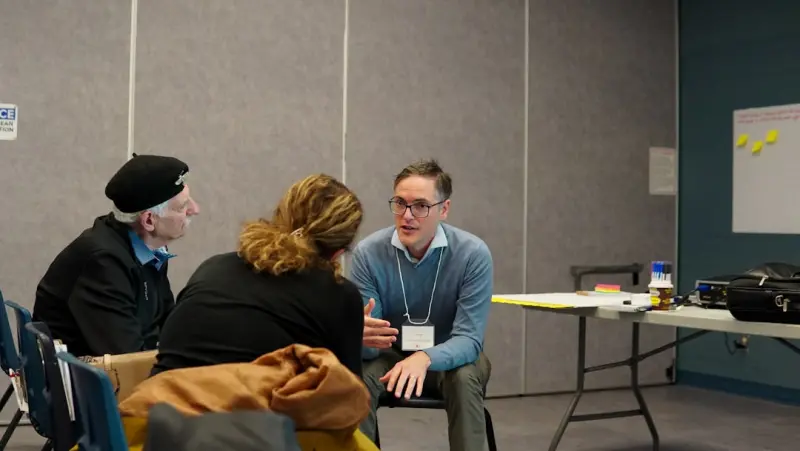
A well‑run co‑creation session is more than a brainstorming meeting; it’s a meticulously designed experience that respects participants’ time and expertise. Below is a repeatable framework that I’ve refined over the years:
- Pre‑Session Prep: Identify a focused problem statement, curate relevant data, and share a concise agenda 48 hours in advance. This sets expectations and helps participants arrive prepared.
- Diverse Invite List: Mix power users, new adopters, and even skeptics. Diversity ensures a richer set of perspectives and prevents echo chambers.
- Facilitated Ideation: Use techniques like “Crazy 8s” or “Storyboarding” to generate a high volume of ideas quickly. Keep the energy high and the judgment low.
- Rapid Prototyping: Turn the top three concepts into low‑fidelity mockups or clickable wireframes on the spot. When participants can see their ideas materialize instantly, commitment spikes.
- Feedback Loop: Capture reactions with live polls or sentiment sliders, then document actionable next steps. Follow up with a summary email that includes a clear timeline for iteration.
Technology Enablement: Turning Ideas into Action
Co‑creation isn’t just a nice‑to‑have workshop; it requires a tech stack that can keep pace with the velocity of ideas. Modern low‑code platforms, for instance, let product teams spin up functional prototypes within minutes. This capability bridges the gap between concept and validation, allowing you to test hypotheses with real customers before committing engineering resources.
Another lever is the Redefining Customer Engagement playbook, which emphasizes the importance of closing the feedback loop quickly. By integrating co‑creation data directly into your product analytics pipeline, you can surface usage patterns that confirm or contradict the workshop outcomes.
Measuring the Impact: Engagement Scorecards
To justify the investment, you need concrete metrics. I recommend a three‑tier scorecard that captures both leading and lagging indicators:
- Participation Rate: Percentage of invited customers who attend and actively contribute. Aim for 60%+ for high‑value accounts.
- Idea Conversion Rate: Ratio of co‑created concepts that make it into the product backlog and later into release. A healthy benchmark is 30%.
- Post‑Release Adoption: Track usage of features birthed from co‑creation versus baseline features. A lift of 15‑20% in adoption signals genuine customer alignment.
These metrics, when visualized in an executive dashboard, turn qualitative feedback into a quantitative narrative that senior leadership can champion.
Scaling Co‑Creation Without Burning Out Your Team
It’s tempting to think that every customer should be invited to every session. In reality, that approach dilutes focus and overloads both product and support teams. Instead, adopt a tiered engagement model:
- Strategic Accounts: Quarterly deep‑dive workshops that shape the roadmap for high‑impact features.
- Growth Accounts: Bi‑monthly “Idea Sprints” where a smaller group validates quick wins.
- Community Contributors: An open forum—often hosted within your digital community hub—where anyone can submit ideas, vote, and comment.
This hierarchy ensures that your most critical customers receive the attention they deserve while still harnessing the collective intelligence of the broader user base.
Case Study: Turning a Friction Point into a Revenue Driver
One of my early SaaS clients struggled with a high churn rate among mid‑market users who felt the onboarding flow was too generic. Instead of launching a blanket redesign, we invited a cross‑section of these users to a co‑creation sprint. Within the session, participants highlighted three pain points:
- Unclear data import steps.
- Lack of industry‑specific templates.
- Insufficient in‑app guidance.
Armed with these insights, the product team built a modular onboarding wizard that could be toggled based on the customer’s vertical. The result? A 22% reduction in churn within six months and an upsell pipeline that grew by 18% as customers began requesting additional industry packs.
Embedding Co‑Creation Into the Culture
For co‑creation to become a sustainable competitive advantage, it must be woven into the fabric of your organization:
- Leadership Advocacy: Executives should champion the process by attending sessions and publicly acknowledging customer contributions.
- Cross‑Functional Ownership: Product, engineering, customer success, and marketing all have stakes in the outcomes. Create a shared Kanban board that tracks ideas from concept to release.
- Recognition Programs: Celebrate contributors with badges, early‑access privileges, or co‑branding opportunities. Recognition fuels continued participation.
When the entire company sees customers as co‑architects rather than mere buyers, the shift in mindset is palpable. Teams become more agile, and the product evolves in lockstep with market needs.
Common Pitfalls and How to Avoid Them
Even the most well‑intentioned co‑creation initiatives can stumble. Here are three traps I’ve observed, plus quick fixes:
- Idea Dumping: Treating sessions as a “suggestion box” without clear prioritization leads to analysis paralysis. Solution: Use a scoring matrix (impact vs. effort) to surface the most viable concepts.
- Feedback Fatigue: Bombarding customers with endless surveys erodes goodwill. Solution: Limit formal solicitations to one or two touchpoints per quarter and supplement with passive listening tools.
- Implementation Gap: Failing to ship promised features destroys trust. Solution: Set realistic timelines during the session and publicly track progress on a transparent roadmap.
The Future: AI‑Assisted Co‑Creation
Artificial intelligence is poised to amplify the co‑creation process. Imagine a virtual facilitator that can:
- Summarize discussion threads in real time.
- Cluster similar ideas using natural language processing.
- Predict adoption likelihood based on historical data.
These capabilities will free up human moderators to focus on relationship building while the AI handles the heavy lifting of data synthesis. The end result? Faster cycles, richer insights, and a deeper bond between your product and its users.
Wrapping Up: Your Next Step
If you’ve been relying solely on metrics dashboards and occasional feature requests, you’re leaving a goldmine of engagement untapped. Start small: schedule a pilot co‑creation session with a willing strategic account, apply the framework above, and measure the impact against the engagement scorecard. When you see the ripple effect—higher adoption, reduced churn, and a pipeline of customer‑validated ideas—you’ll understand why co‑creation isn’t just a nice‑to‑have, it’s a growth engine.

Shawn DesRochers is a certified Microsoft technician and Programmer with 30+ year's experience. He has written many reviews on computer related products, software, and SEO related topics. When he's not writing reviews he can be found at one of the Ecommerce Directory which he is the CEO of.
Related Posts

Real‑Time Sentiment Intelligence: The Next Frontier in B2B Customer Engagement
Learn why integrating real‑time sentiment intelligence into your SaaS platform unlocks deeper enga... Read More

Game On: Turning B2B Customer Engagement into a Competitive Playfield
Gamification transforms routine B2B interactions into a dynamic experience, driving higher renewal r... Read More

Turning Play into Profit: Gamified Loyalty Loops for Unstoppable Customer Engagement
Learn how to turn routine B2B interactions into playful loyalty loops that drive retention, advocacy... Read More
Top Posts

Neuroinclusive Design: Building Ecommerce Experiences That Work for Every Brain
Neuroinclusive design goes beyond accessibility, tailoring ecommerce interfaces to the diverse ways people think and process information. Discover actionable st...Read More

API‑First Ecommerce Development: A Blueprint for Agility
An API‑first mindset reshapes ecommerce development, enabling faster time‑to‑market, edge‑powered performance, and seamless multi‑channel experiences....Read More

Community Governance: The Engine Powering Open‑Source Ecommerce Innovation
Open‑source ecommerce thrives on community governance, a transparent, merit‑based system that accelerates feature development, enhances security, and reduce...Read More

Headless Ecommerce: Unlocking Immersive, Multi‑Channel Brand Experiences
Headless ecommerce separates content from commerce, allowing brands to deliver AR try‑ons, voice‑first shopping, IoT displays, and social‑commerce streams...Read More
0 Comments
Post Comment
You will need to Login or Register to comment on this post!