

Why a Data Mesh is the Missing Link in B2B Ecommerce Scalability
When I first stepped into the world of B2B ecommerce, the biggest challenge I saw wasn’t about building a slick storefront or integrating a new ERP system. It was the relentless struggle to turn the tidal wave of transactional data into actionable insight without drowning in silos. Fast‑forward a few product releases and platform upgrades, and the pain point is still there—only the volume has grown.
Enter the Data Mesh architecture. While the term has been gaining traction in data‑centric enterprises, its relevance to B2B ecommerce is still under‑explored. In this post I’ll break down why a Data Mesh can be the catalyst that transforms fragmented data pipelines into a cohesive, business‑wide intelligence network—and how you can start the migration without tearing your existing stack apart.
From Centralized Lakes to Distributed Domains
Traditional B2B ecommerce platforms often rely on a monolithic data lake: a massive repository where every sales order, inventory change, and pricing update lands. It sounds tidy, but in practice it creates bottlenecks. Every new data source must be onboarded through a central engineering team, leading to long lead times, duplicated effort, and, worst of all, stale data that arrives hours—sometimes days—after the event.
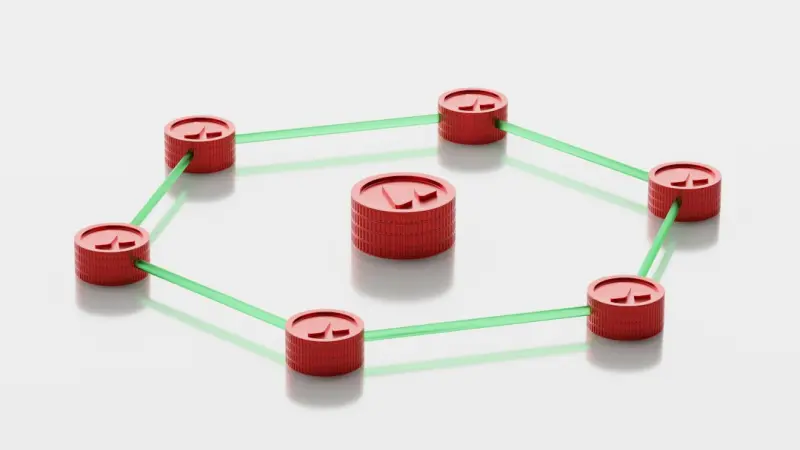
A Data Mesh flips that model on its head. Instead of a single “data lake” owned by a central team, each business domain—sales, procurement, logistics, finance—owns its own data product. These products expose well‑defined, versioned APIs that other domains can consume in real time. The result is a network of trustworthy, discoverable data streams that scale organically as the business grows.
The Business Benefits That Matter to B2B Leaders
- Speed to insight: Real‑time data products mean pricing teams can react to market fluctuations instantly, rather than waiting for batch uploads.
- Reduced friction for integration: New partners or marketplaces can plug into your data mesh via standard APIs, eliminating weeks of custom ETL work.
- Improved data quality: Ownership stays with the domain that knows the data best, fostering accountability and reducing “dirty data” incidents.
- Scalable governance: Central policies (e.g., GDPR, CCPA) are enforced at the mesh layer, while day‑to‑day data stewardship remains decentralized.
Key Architectural Pillars for a B2B Data Mesh
Building a Data Mesh isn’t a magic switch. It requires a deliberate shift in both technology and culture. Below are the four pillars that should guide any B2B ecommerce organization embarking on this journey.
1. Domain‑Oriented Ownership
Each business unit must treat its data as a product. That means defining Service Level Agreements (SLAs) around freshness, latency, and quality. For a B2B retailer, the pricing domain would own a pricing‑updates API that guarantees sub‑second latency for any downstream discount engine.
2. Self‑Serve Data Infrastructure
Teams need a toolbox that lets them publish, version, and monitor data products without deep DevOps expertise. Managed cloud services (e.g., AWS Glue DataBrew, Azure Data Factory) combined with open‑source standards like Apache Kafka or Snowflake provide the necessary scaffolding.
3. Federated Governance
Compliance isn’t optional in B2B. A federated approach means the central compliance team defines global policies—encryption, access control, audit logging—while domain owners embed these controls into their pipelines. This mirrors the Compliance‑First mindset that many enterprises already practice, but it extends it to data.
4. Interoperable Data Contracts
Contracts are the contract between the producer and consumer of a data product. They specify schema, field semantics, and versioning rules. By treating contracts as first‑class artifacts—stored in a shared Git repo and tested automatically—you avoid “breaking changes” that can cripple downstream order‑fulfillment workflows.
Practical First Steps: From Pilot to Full Rollout
Jumping straight into a full‑scale Data Mesh can be overwhelming. Instead, start with a low‑risk domain that already has a mature API stack—like product catalog updates. Follow these steps:
- Map the data flow: Document every source, transformation, and consumer for catalog data.
- Define the product contract: Agree on JSON schema, versioning strategy, and SLA.
- Build a self‑service pipeline: Use a managed streaming service to publish catalog changes as events.
- Expose the API: Publish the catalog data product to a developer portal with authentication and rate‑limiting.
- Monitor & iterate: Collect usage metrics, error rates, and latency to refine the contract.
Once the pilot proves its value—say, a 30% reduction in time to onboard a new reseller portal—expand the mesh to more complex domains such as order lifecycle and dynamic pricing. The incremental approach reduces risk and builds internal champion networks.
Data Mesh Meets Real‑Time Pricing: A Perfect Pairing
Dynamic pricing has become a cornerstone of B2B profitability, especially for manufacturers juggling volume discounts and contract‑specific rates. However, traditional batch‑driven pricing engines lag behind market realities. By feeding a Real‑Time Pricing Engine with fresh data from the mesh—inventory levels, competitor feeds, and demand forecasts—you can recalculate prices on the fly, delivering the right price at the right moment.
Consider this scenario: A wholesale customer places a large order during a sudden supply shortage. The inventory domain emits a low‑stock event; the pricing domain consumes it instantly, applies a scarcity surcharge, and the checkout UI reflects the updated price before the customer submits. No manual overrides, no delayed spreadsheets. The whole loop happens in milliseconds, powered by the mesh’s event‑driven architecture.
Overcoming Common Objections
Implementing a Data Mesh often triggers pushback. Here’s how I’ve addressed the most frequent concerns:
- “We don’t have the talent.” Leverage managed services and open‑source frameworks that abstract away the heavy lifting. Upskill existing data analysts through “data product owner” training rather than hiring new engineers.
- “Our compliance team will lose control.” Emphasize federated governance: central policies remain enforced, while domains gain autonomy within those boundaries.
- “It will be too costly.” Start small, measure ROI—most pilots deliver cost savings via reduced ETL pipelines and faster time‑to‑market for new partners.
- “Our legacy ERP can’t speak APIs.” Wrap legacy systems in adapters that translate database queries into streaming events, gradually decoupling the monolith.
Future‑Proofing Your B2B Ecommerce Stack
The B2B landscape is evolving toward hyper‑personalization, AI‑driven recommendations, and multi‑modal commerce (think voice, AR, and IoT). All of these rely on a foundation where data is instantly available, trustworthy, and reusable across contexts. A Data Mesh provides exactly that—a living, breathing data ecosystem that scales with your business ambitions.
By treating data as a product, you unlock new business models: subscription‑based data feeds for partners, real‑time market intelligence services, and even data‑monetization platforms that expose anonymized trends to third‑party analysts. The possibilities stretch far beyond the traditional order‑to‑cash cycle.
Wrapping Up
In my experience, the most successful B2B ecommerce transformations don’t start with a new UI or a flashy checkout flow. They begin with a strategic rethink of how data flows through the organization. A Data Mesh is not a silver bullet, but it is the most compelling framework I’ve seen for breaking down silos, accelerating insight, and future‑proofing your platform for the next wave of commerce innovation.
If you’re ready to explore how a Data Mesh can fit into your roadmap, start with a pilot, engage domain owners early, and lean on proven patterns like Open‑Source Foundations to keep the implementation cost‑effective. The journey will be iterative, but the payoff—a resilient, data‑driven B2B ecommerce engine—will be well worth the effort.

Brad Hays is a freelance writer known for his versatile skill set and ability to craft compelling content across a wide range of industries.
Related Posts
B2B Marketplace Platforms: Harnessing Network Effects for Growth
The article outlines why B2B marketplace platforms are the next growth engine, detailing network eff... Read More

Outcome‑Based Selling in B2B Ecommerce
Outcome‑based selling shifts B2B ecommerce from transaction focus to measurable business impact, u... Read More

Account‑Based Commerce: Turning Data Into Strategic B2B Relationships
Account‑based commerce shifts B2B ecommerce from transactional to relational, using unified data, ... Read More
Top Posts

Breaking Free: Platform‑Agnostic Strategies to Future‑Proof Your Ecommerce Business
Discover how adopting a platform‑agnostic, composable commerce approach can liberate your online store from vendor lock‑in, accelerate feature roll‑outs, ...Read More

Designing Sustainable Ecommerce: Eco‑Friendly UI/UX That Converts
A guide to sustainable ecommerce design, covering lightweight assets, minimalist aesthetics, mobile‑first tactics, eco‑badges, dark mode, and metrics that h...Read More

Zero‑Click Dominance: How Featured Snippets Are Reshaping eCommerce SEO
Zero‑click search is stealing clicks from traditional product pages. This post explains why featured snippets matter for eCommerce, offers a step‑by‑step ...Read More

Edge Computing: The Next Frontier for B2B Ecommerce Platforms
Edge computing brings compute and data closer to the buyer, delivering millisecond‑level response times, real‑time configurator feedback, and localized comp...Read More
0 Comments
Post Comment
You will need to Login or Register to comment on this post!