
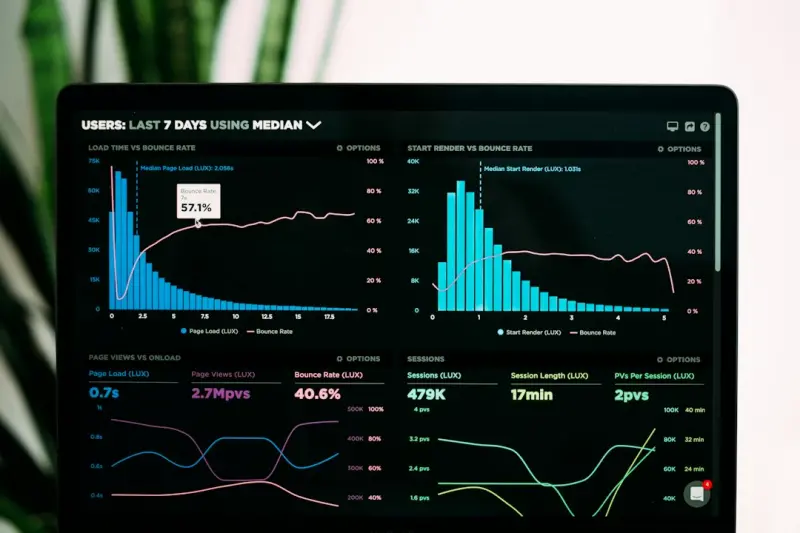
When I first stepped into the world of B2B ecommerce, the biggest challenge I saw wasn’t the technology stack or the flashy UI – it was the sheer uncertainty around demand. Suppliers were guessing, inventory was either drowning in dead stock or sprinting out of the warehouse, and pricing negotiations felt like a blindfolded chess match. Fast forward to today, and the conversation has shifted. Predictive analytics and data‑driven demand forecasting have become the silent engines powering every successful B2B storefront.
Why Traditional Forecasting Methods No Longer Cut It
Most legacy B2B organisations still lean on three‑month rolling averages, seasonal adjustments, or gut‑feel from veteran sales reps. While these methods have kept businesses afloat, they’re increasingly misaligned with the velocity of modern supply chains. Consider these pain points:
- Long sales cycles – B2B deals can span weeks or months, making real‑time adjustments crucial.
- Complex product configurations – One‑off pricing, volume discounts, and custom bundles multiply forecasting variables.
- Global distribution networks – Tariffs, regional demand spikes, and logistics disruptions add layers of uncertainty.
Relying on static spreadsheets or legacy ERP modules in this environment is akin to navigating a hurricane with a paper map. The cost? Missed revenue, bloated inventory, and strained supplier relationships.
Enter Predictive Analytics: The New Forecasting Backbone
Predictive analytics leverages historical transaction data, external market signals, and machine‑learning algorithms to produce granular demand forecasts. Here’s how the shift looks in practice:
- Data aggregation at scale – Pulling together order histories, CRM touchpoints, web‑behaviour, and even macro‑economic indicators into a unified data lake.
- Pattern recognition – Algorithms detect hidden seasonality, cross‑product cannibalization, and emerging buying trends that human analysts often miss.
- Scenario simulation – What‑if models let you test price changes, promotional offers, or supply disruptions before committing resources.
By turning raw data into actionable insights, businesses can move from reactive stock‑replenishment to proactive inventory orchestration.
Building a Data‑First B2B Commerce Stack
Transitioning to a predictive model isn’t a magic switch; it requires a thoughtful architecture. Below is a roadmap that has worked for several of my clients.
1. Consolidate Data Silos
Most B2B firms juggle ERP, CRM, and ecommerce platforms that don’t speak to each other. A central data warehouse (or modern data lake) acts as the lingua franca. Use ETL pipelines to ingest:
- Order line‑items and invoice data from ERP.
- Lead scores, account hierarchies, and interaction logs from CRM.
- Site‑wide behavioural metrics (search queries, product views, cart abandonment) from your ecommerce engine.
- External data – commodity price indexes, regional economic forecasts, even weather patterns for industries where those factors influence demand.
2. Deploy a Machine‑Learning Engine
Choose a platform that supports time‑series forecasting (e.g., Prophet, Amazon Forecast, Azure ML). The key is to start simple:
- Baseline model: ARIMA or exponential smoothing on historic sales.
- Enriched model: Add exogenous variables like marketing spend or supply lead‑times.
- Iterative refinement: Continuously retrain with new data to improve accuracy.
Don’t overlook the importance of explainability. Decision makers need to understand why the model predicts a spike in demand for a specific SKU – not just the number itself.
3. Integrate Forecasts into Everyday Operations
Forecast outputs must be consumable across teams:
- Supply Chain – Automated purchase orders triggered when projected stock‑out risk exceeds a threshold.
- Pricing – Dynamic discounting rules that adjust based on forecasted excess inventory.
- Sales Enablement – Reps receive recommended upsell bundles tailored to upcoming demand peaks.
Embedding the forecast into existing workflows reduces friction and boosts adoption.
4. Close the Feedback Loop
Forecast accuracy improves with a continuous feedback loop. Capture actual sales versus forecast, calculate error metrics (MAPE, RMSE), and feed the delta back into model retraining. Over time you’ll see a virtuous cycle: better forecasts → smarter decisions → tighter data → even better forecasts.
Real‑World Impact: A Case Study Snapshot
One mid‑size industrial parts distributor partnered with us to embed predictive analytics into their B2B portal. Within six months, they achieved:
- 15% reduction in safety‑stock levels, freeing up $2.3 M in working capital.
- 10% increase in order fulfilment speed, thanks to pre‑emptive stock positioning.
- 5% uplift in average order value, as sales reps leveraged demand insights to pitch relevant accessories.
The secret sauce wasn’t a new ERP module – it was a data‑first mindset combined with a lightweight low‑code acceleration layer that let business users tweak forecasting parameters without writing a line of code.
Bridging the Gap Between B2B Marketplace Dynamics and Forecasting
Even if you’re operating a pure marketplace, the principles hold. Network‑driven demand can be volatile, but a solid forecasting engine can smooth the ride. For instance, by analysing seller‑level performance, buyer‑search patterns, and transaction velocity, you can anticipate which product categories will surge, then proactively invite new suppliers or allocate marketing spend. This approach aligns closely with insights from B2B marketplace insights, but flips the narrative from “grow the network” to “grow the network intelligently”.
Overcoming Common Roadblocks
Many teams stumble early in the journey. Here’s how to sidestep the typical pitfalls:
- Data quality – Garbage in, garbage out. Invest in data cleansing and validation pipelines early.
- Change resistance – Involve sales, procurement, and finance in model design. Show them quick wins.
- Technology lock‑in – Opt for modular, API‑first solutions that let you swap out the ML engine if needed.
- Scalability – Forecasting millions of SKUs demands distributed computing. Cloud‑native services can scale on demand.
Future‑Proofing Your B2B Commerce Strategy
The next wave will likely blend demand forecasting with real‑time IoT data (e.g., sensor‑driven usage metrics) and contract‑as‑code platforms that auto‑adjust terms based on forecasted volume. Imagine a scenario where a buyer’s contract automatically scales price tiers as your AI predicts a 20% uptick in quarterly consumption – all without a single manual amendment.
Preparing for that future means building a foundation that is:
- Data‑rich and extensible.
- Algorithm‑agnostic – you can plug in newer models as they emerge.
- Embedded in the business workflow, not siloed in a data science lab.
When you achieve this, demand forecasting becomes more than a supply‑chain tool; it morphs into a strategic lever that informs product development, marketing spend, and even customer success outreach.
Actionable Steps to Get Started Today
If you’re ready to turn the tide on demand uncertainty, follow this three‑step sprint:
- Audit your data sources – List every system that holds sales‑related information and map out integration points.
- Prototype a forecast model – Use a low‑code environment to pull a year’s worth of data, run a baseline time‑series model, and compare against actuals.
- Pilot in a low‑risk vertical – Choose a product line with stable demand, implement the forecast‑driven replenishment process, and measure ROI over three months.
Iterate, learn, and expand the model across your catalogue. The payoff grows exponentially as the system matures.
In the end, predictive demand isn’t a “nice‑to‑have” add‑on; it’s the backbone of a resilient B2B ecommerce operation. By harnessing data, you’ll not only cut costs and reduce waste but also unlock a new level of customer confidence – they’ll know you can deliver exactly what they need, when they need it.

Sanji Patel has dedicated 25 years to the SEO industry. As an expert SEO consultant for news publishers, he emphasizes providing both technical and editorial SEO services to news publishers worldwide. He frequently speaks at conferences and events globally and offers annual guest lectures at local universities.
Related Posts
Unlocking Procurement Efficiency with a Self‑Service B2B Buying Portal
A practical guide to building a self‑service B2B buying portal that aligns with procurement workfl... Read More

Turning B2B Catalogs into Intelligent Buying Hubs
A buying hub goes beyond a simple storefront, merging unified data, intent‑first search, workflow ... Read More

Why B2B Sellers Need a Partner‑First Commerce Strategy
A partner‑first commerce strategy shifts B2B ecommerce from a transactional catalog to a collabora... Read More
Top Posts

How Voice Search Is Quietly Reshaping eCommerce SEO
Voice assistants are now a daily part of the shopping journey. This post reveals how to tailor your eCommerce SEO for natural‑language queries, local voice co...Read More

Low‑Code Commerce: Empowering SMBs to Build Stores Without Developers
Low‑code commerce gives SMBs a visual, plug‑and‑play way to build and iterate on ecommerce sites, cutting launch time from months to weeks while reducing ...Read More

Structured Data Secrets: Turning Product Pages into SEO Gold
Learn practical tactics for implementing schema markup, enhancing SERP visibility, and converting clicks into customers with structured data....Read More

Edge-First Ecommerce Development: Harnessing the Power of the Network Edge
Edge computing brings critical ecommerce logic closer to shoppers, slashing latency, boosting security, and enabling real‑time personalization. Learn how to a...Read More
0 Comments
Post Comment
You will need to Login or Register to comment on this post!