
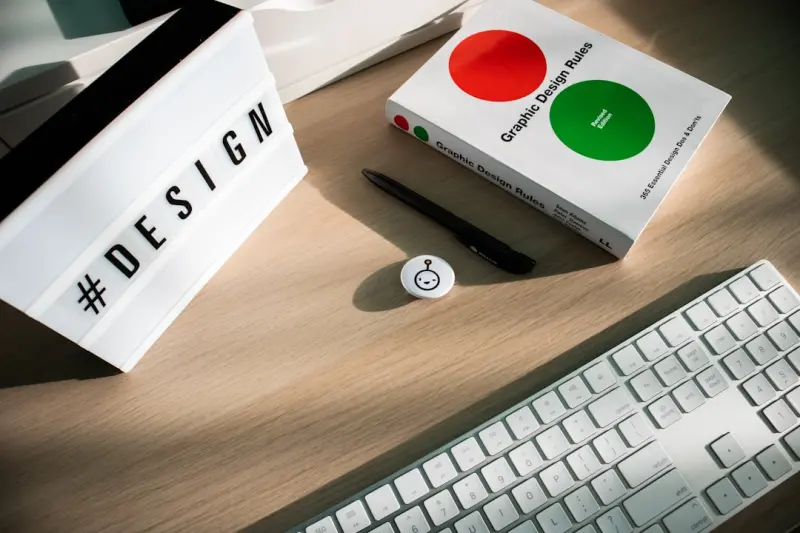
When I first started sketching wireframes for a boutique fashion brand, I realized that every pixel was whispering a story. In today’s hyper‑competitive ecommerce landscape, design isn’t just about making things look good—it’s about orchestrating an emotional journey that turns browsers into lifelong advocates. This post dives deep into the emerging discipline of emotional commerce, where psychology, storytelling, and adaptive design converge to create experiences that feel personal, trustworthy, and unforgettable.
The Science Behind Emotional Commerce
Humans make buying decisions in under 90 seconds, and 70% of those choices are driven by subconscious cues. Color palettes, micro‑animations, and even the rhythm of copy can trigger dopamine spikes that subtly nudge a shopper toward the “add to cart” button. Understanding this neural choreography allows designers to craft moments that feel right—not forced.
- Color psychology: Warm hues like orange and red convey urgency, while cool blues inspire trust. The key is to align your brand’s personality with the emotional response you want to elicit.
- Typography tone: A rounded sans‑serif can feel friendly, whereas a crisp serif projects authority. Mixing typefaces strategically can guide the user’s emotional state across the funnel.
- Story arcs: Just like a good novel, an ecommerce site benefits from a clear beginning (brand introduction), conflict (problem the product solves), and resolution (the purchase).
When you embed these psychological levers into your design system, you’re not just decorating a page—you’re engineering a feel‑good pathway that aligns with the shopper’s inner motivations.
Designing Adaptive Layouts for Global Audiences
Today’s shoppers span continents, cultures, and devices. A one‑size‑fits‑all layout quickly becomes a liability. Adaptive design goes beyond responsive breakpoints; it customizes the visual hierarchy based on regional preferences, language direction, and even local buying rituals.
For instance, Japanese users favor a minimalist aesthetic with ample white space, while Latin American markets often respond better to vibrant imagery and bold calls‑to‑action. By leveraging tiny interactions that adapt contextually—such as hover states that transform into subtle haptic feedback on mobile—you can deliver a sense of relevance that feels handcrafted for each visitor.
Implementing adaptive layouts requires a robust design token system that stores color, spacing, and typography variations per locale. When combined with a headless CMS, you can push localized design updates in real time, ensuring your storefront feels fresh and culturally resonant without a full redeploy.
Storytelling Through Visual Product Narratives
Static product photos are passé. Modern shoppers crave immersive narratives that answer “Why does this matter to me?” before they even consider price. Here’s how to weave storytelling into every visual touchpoint:
- Contextual lifestyle shots: Show the product in real‑life scenarios that mirror your target persona’s daily routine. A kitchen appliance, for example, should appear in a bustling family breakfast scene rather than an empty countertop.
- Sequential carousel storytelling: Use a carousel to guide the shopper through a problem‑solution storyline—first frame depicts the pain point, subsequent frames illustrate how the product resolves it.
- Dynamic video loops: Short, looping videos (3‑5 seconds) can replace static hero images, creating movement that draws the eye and conveys product utility instantly.
When you embed these narratives into the design, the product page transforms from a data sheet into an experience that resonates on a personal level.
Real‑Time Social Proof Integration
Social proof is the modern word‑of‑mouth, and its impact magnifies when presented in real time. Instead of static testimonial blocks, consider these dynamic approaches:
- Live purchase notifications: Show anonymized alerts like “Samantha from Austin just bought the Eco‑Bamboo T‑Shirt.” This creates a bandwagon effect without feeling intrusive.
- Interactive rating sliders: Allow shoppers to see how a product’s rating evolves as new reviews stream in, reinforcing transparency.
- User‑generated content (UGC) walls: Curate Instagram or TikTok posts featuring your product and surface them in a carousel that updates automatically via API.
Embedding real‑time social proof within the design architecture not only builds trust but also injects a dynamic freshness that static pages lack.
Personalization at Scale with AI‑Driven Design Systems
Personalization used to mean “show a recommended product based on past purchases.” Today, AI can tailor the entire visual language of the site per visitor. Imagine a design system where color schemes, layout density, and even micro‑copy shift based on a user’s browsing history, psychographic profile, and current mood (inferred from interaction speed).
Implementation steps:
- Data collection: Capture non‑PII signals such as scroll depth, hover duration, and click patterns.
- Model training: Use clustering algorithms to segment users into emotional personas—e.g., “Explorer,” “Bargain Hunter,” “Brand Loyalist.”
- Design token mapping: Assign each persona a unique set of design tokens (color, typography, animation intensity).
- Runtime rendering: With a headless front‑end, swap token sets on the fly, delivering a customized visual experience without a full page reload.
Brands that master AI‑driven personalization can dramatically boost conversion rates while keeping the design process manageable.
Designing for Sustainability: Eco‑Conscious UI/UX
Consumers are increasingly scrutinizing the environmental impact of the brands they support. Sustainable design goes beyond product sourcing; it reflects in the digital experience itself.
- Minimalist data loads: Optimize images, use modern image formats (WebP, AVIF), and defer non‑critical scripts to reduce server energy consumption.
- Green color palettes: Subtle earth tones can signal eco‑friendliness without compromising brand identity.
- Transparent carbon footprints: Integrate a small widget that shows the estimated carbon offset per purchase, reinforcing the brand’s commitment.
By aligning visual design with sustainability values, you appeal to the growing segment of eco‑aware shoppers and differentiate your brand in a crowded market.
Low‑Code Design Customization for Teams
Design teams often face bottlenecks when waiting on developers to implement visual tweaks. Leveraging low‑code platforms empowers designers to iterate rapidly, keeping the brand’s aesthetic fresh and responsive to market trends.
Tools that provide visual drag‑and‑drop interfaces, while still outputting clean, component‑based code, enable designers to:
- Experiment with layout variations without touching the codebase.
- Run A/B tests on design elements directly within the CMS.
- Maintain a single source of truth for brand guidelines across channels.
For a deeper dive into how low‑code storefronts can democratize design, check out No‑Code Storefronts, which explores the practical benefits of this approach.
Measuring Emotional Impact: New Metrics for Designers
Traditional UX metrics—bounce rate, time on page, conversion rate—capture behavior but not emotion. To truly gauge the success of emotional commerce, incorporate these emerging KPIs:
- Emotion Heatmaps: Use facial expression analysis (with user consent) to map joy, surprise, or frustration across the page.
- Neuro‑Engagement Scores: Combine eye‑tracking data with scroll depth to understand which visual elements hold attention longest.
- Sentiment‑Weighted NPS: Capture post‑purchase sentiment in addition to the Net Promoter Score, providing a nuanced view of brand affection.
By integrating these metrics into your design review cycles, you can iterate on emotional resonance with the same rigor you apply to performance and SEO.
Future‑Proofing Your Design Strategy
Design trends will always evolve, but the core principle remains: design must serve the human behind the cursor. To future‑proof your ecommerce experience:
- Invest in a modular design system: This ensures consistency while allowing rapid experimentation.
- Adopt AI‑augmented personalization: Stay ahead of the curve by letting data inform visual decisions.
- Prioritize ethical data practices: Transparent consent builds trust, a cornerstone of emotional commerce.
- Iterate with real‑time feedback loops: Use the social proof and emotion metrics discussed to refine designs continuously.
When design is rooted in empathy, psychology, and adaptability, it becomes a silent salesforce—guiding users effortlessly from curiosity to commitment.

Sanji Patel has dedicated 25 years to the SEO industry. As an expert SEO consultant for news publishers, he emphasizes providing both technical and editorial SEO services to news publishers worldwide. He frequently speaks at conferences and events globally and offers annual guest lectures at local universities.
Related Posts

Micro‑Interactions That Turn Shoppers Into Loyal Fans
Micro‑interactions—tiny, purposeful motions—are the hidden catalyst for higher conversion rate... Read More

Designing Trust: How Micro‑Interactions Turn Browsers into Buyers
A deep dive into the invisible architecture of trust—micro‑interactions, visual hierarchy, and i... Read More

Designing the Invisible: Micro‑Interactions that Drive Ecommerce Conversions
A deep dive into how tiny, purposeful animations and feedback loops can turn casual browsers into lo... Read More
Top Posts

Subscription Commerce Platforms: The Untapped Engine for B2B Growth
A deep dive into why B2B companies should shift from one‑off transactions to subscription commerce, covering core platform capabilities, real‑world case stu...Read More
Why Omnichannel is the New Frontier for Headless Commerce
Why Omnichannel is the New Frontier for Headless Commerce When I first heard the term “headless,” my mind jumped straight to the image of a decoupled storef...Read More

The Rise of Semantic Search: Rethinking eCommerce SEO for the AI Era
Semantic search is reshaping how shoppers find products online. This post explores entity‑rich content, AI‑driven intent mapping, zero‑click optimization,...Read More
Milestone‑Driven Rewards: A Fresh Blueprint for B2B Customer Engagement
Learn to design a milestone‑driven rewards program that celebrates meaningful customer achievements, drives deeper engagement, and fuels growth in B2B SaaS....Read More
0 Comments
Post Comment
You will need to Login or Register to comment on this post!