
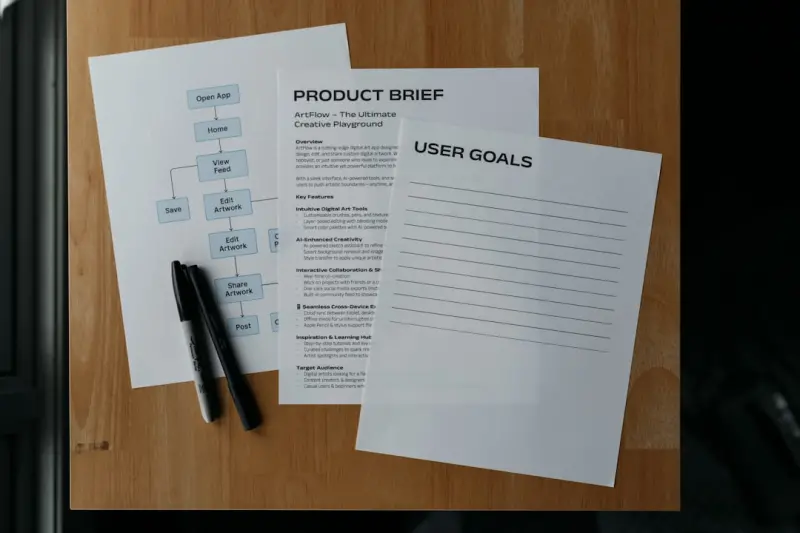
When I first walked into a client’s warehouse and saw rows of printed order sheets, I realized the B2B ecommerce narrative was still stuck in a spreadsheet era. The promise of digital buying was there, but the execution felt transactional—more about moving inventory than cultivating relationships. That’s the gap I’ve spent the last decade trying to bridge: shifting from “sell‑once” transactions to an account‑centric partnership model that treats each buyer as a strategic ally.
Why the Traditional B2B Model Stumbles
Classic B2B platforms prioritize catalog depth, bulk discounts, and bulk order processing. While those features are essential, they often ignore the nuanced buying journey of corporate customers. Unlike B2C shoppers, B2B buyers juggle internal approvals, budget cycles, and cross‑departmental stakeholders. A one‑size‑fits‑all product page fails to address the “who,” “why,” and “when” behind each purchase.
Resulting pain points include:
- Low buyer loyalty: Clients hop between vendors because pricing tables don’t reflect their unique consumption patterns.
- Fragmented data: Sales, finance, and support teams operate in silos, missing a holistic view of account health.
- Inefficient cross‑sell/up‑sell: Without a clear picture of an account’s roadmap, recommendations feel generic.
Enter account‑based commerce (ABC)—the strategic overlay that aligns product, pricing, and experience to each individual organization’s lifecycle.
The Account‑Based Mindset: From Transaction to Partnership
At its core, ABC treats every corporate buyer as a mini‑marketplace. Instead of broadcasting a single price list, you serve a tailored storefront that evolves with the account’s growth, seasonality, and strategic objectives. Think of it as moving from a static brochure to a dynamic, collaborative workspace where both parties co‑create value.
Key principles include:
- Identity over anonymity: Every visitor is tied to an account ID, unlocking personalized pricing, inventory visibility, and contract terms.
- Lifecycle alignment: The platform mirrors the buyer’s procurement stages—from exploratory research to renewal negotiations.
- Shared KPIs: Success metrics are joint—order frequency, spend velocity, and time‑to‑contract become shared goals.
Building an ABC‑Ready Infrastructure
Transitioning to account‑based commerce isn’t a UI facelift; it’s a re‑architecture of data, workflows, and governance. Here’s a pragmatic roadmap:
1. Centralize Account Data
Start with a single source of truth that aggregates CRM, ERP, and ecommerce data. This unified profile feeds every downstream decision—from pricing rules to content personalization. A robust data model also powers advanced analytics, enabling you to predict churn or identify upsell windows before they happen.
2. Implement Tiered Pricing Engines
Dynamic pricing isn’t just for B2C. By integrating a dynamic pricing engine that respects contract volumes, loyalty thresholds, and seasonal demand, you can automatically surface the optimal discount without manual intervention.
3. Deploy Low‑Code Customization
Every account wants a unique storefront layout, product bundles, or payment terms. Leveraging low‑code customization tools empowers product managers to roll out these variations quickly, without a full development sprint. The result is a rapid, scalable way to meet individual account requirements.
4. Enhance Navigation with Strategic Internal Linking
When you treat an account as a micro‑ecosystem, the internal linking structure must guide users through related resources—contract documents, support articles, and product specs. A well‑planned strategic internal linking strategy not only boosts SEO but also reduces friction for buyers navigating complex product families.
Aligning Sales, Marketing, and Support
ABC thrives on cross‑functional harmony. Sales reps should see the same account health dashboard that marketers use to trigger nurture campaigns. Support teams need instant access to the buyer’s contract terms to resolve issues without escalation. A unified platform eliminates the “hand‑off” gaps that traditionally cause delays and erode trust.
Measuring Success: The ABC Scorecard
Traditional ecommerce KPIs—conversion rate, average order value, cart abandonment—still matter, but they’re no longer the whole story. Add these account‑centric metrics:
- Account Net Promoter Score (aNPS): Direct feedback from procurement leaders on platform experience.
- Revenue per Account (RPA): Tracks growth across the lifetime of a partnership.
- Time‑to‑Renewal: Measures how efficiently contracts are renegotiated within the digital flow.
- Cross‑Sell Ratio: Percentage of accounts that purchase outside their original product line.
Common Pitfalls and How to Dodge Them
Over‑personalization without consent. Bombarding a buyer with tailored offers can feel invasive. Always embed opt‑in mechanisms and respect corporate privacy policies.
Under‑estimating data hygiene. Stale or duplicated account records lead to pricing errors and mistrust. Institute routine data audits and automated deduplication.
Neglecting change management. Shifting from a catalog mindset to ABC requires training for sales, IT, and finance. Provide clear playbooks and success stories to accelerate adoption.
The Future of Account‑Based Commerce
Looking ahead, ABC will intersect with emerging trends like AI‑driven demand forecasting, blockchain‑secured contract ledgers, and immersive AR product demos. However, the core remains the same: a commitment to treating every B2B buyer as a strategic partner rather than a line item.
When you align technology, data, and people around the account’s journey, you unlock a virtuous cycle—higher spend, deeper loyalty, and a competitive moat that’s hard to replicate.
Actionable First Steps
- Audit your current data model and identify gaps in account-level granularity.
- Pilot a low‑code customization project for a top‑tier client, measuring impact on order frequency.
- Map out an internal linking hierarchy that surfaces key resources for each buyer persona.
- Set up a dashboard that blends traditional ecommerce KPIs with the ABC scorecard metrics.
In the end, the shift to account‑based commerce isn’t a tech upgrade; it’s a cultural transformation. It asks you to listen, adapt, and co‑create with the very organizations you serve. When you get it right, B2B ecommerce stops being a transaction engine and becomes a partnership engine—a far more powerful driver of sustainable growth.

Brad Hays is a freelance writer known for his versatile skill set and ability to craft compelling content across a wide range of industries.
Related Posts

Why Intelligent Product Recommendations Are the Secret Sauce for B2B Ecommerce Growth
Intelligent product recommendations turn data into personalized suggestions that boost average order... Read More

AI‑Driven Personalization: The Missing Link in B2B Ecommerce Success
AI personalization turns static B2B ecommerce sites into proactive revenue engines by using real‑t... Read More
B2B Marketplace Platforms: Harnessing Network Effects for Growth
The article outlines why B2B marketplace platforms are the next growth engine, detailing network eff... Read More
Top Posts
Turning B2B Transactions into Strategic Partnerships with Loyalty Programs
A deep dive into how modern B2B loyalty programs move beyond simple discounts, using data, tiered rewards, and integration with composable commerce to turn tran...Read More

Blockchain Meets B2B: Rethinking Payments, Trust, and Growth
This post shows how blockchain can transform the B2B payment lifecycle, offering immutable records, automated settlements, and token‑based incentives—all wi...Read More

Crawl Budget Mastery: Unlocking SEO Growth for Massive Product Catalogs
A deep dive into crawl budget fundamentals, common leak points, and a step‑by‑step checklist to ensure Google indexes your most valuable product pages, driv...Read More

Co‑Creation: The New Frontier of Customer Engagement
Discover a fresh approach to customer engagement that emphasizes co‑creation, narrative, and adaptive listening, turning clients into partners who shape your ...Read More
0 Comments
Post Comment
You will need to Login or Register to comment on this post!