
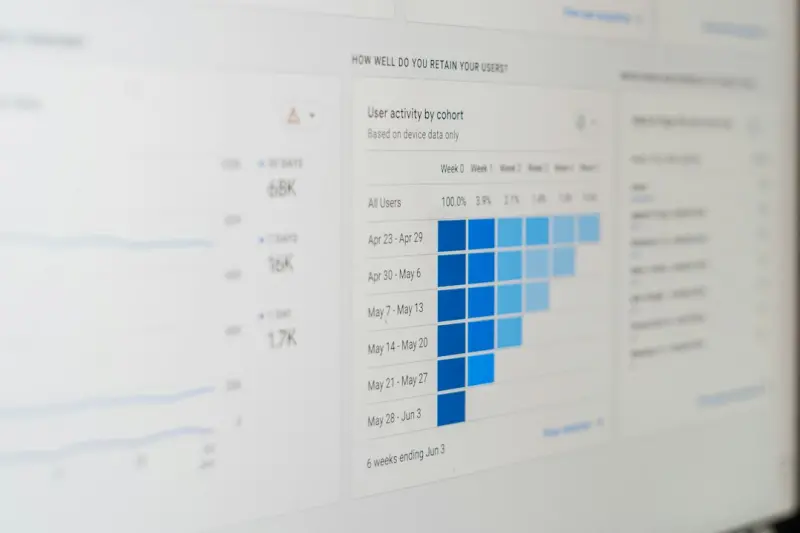
When I first walked onto a client’s call center floor, I realized that most “customer engagement” initiatives were built on a shaky premise: treat every user like a generic visitor and hope the magic of a well‑timed email or a slick dashboard will do the heavy lifting. The truth, as any data‑driven product leader will tell you, is that engagement is a series of micro‑moments—tiny, context‑rich interactions that, when recognized and acted upon, can turn a passive subscriber into a champion.
Why Micro‑Moments Matter More Than Megaphones
Think of a micro‑moment as the instant a user clicks a “Help” icon, pauses at a pricing table, or hovers over a new feature badge. These are sub‑second events that carry a wealth of intent, yet they’re often swallowed by analytics dashboards that only report daily active users or churn percentages. By surfacing these moments in real time, you gain a predictive edge—you can intervene before frustration spikes, celebrate early adoption, or nudge a trial user toward the next logical step.
In my three‑plus years steering product teams at high‑growth SaaS firms, I’ve watched the difference between a “notification‑centric” strategy and a “micro‑moment‑centric” approach. The former feels like shouting from a rooftop; the latter feels like a quiet conversation at the right table, at the right time.
Mapping the Micro‑Moment Landscape
Before you can act, you need a map. Here’s a practical framework to inventory the micro‑moments that matter for a typical B2B SaaS product:
- Onboarding triggers: First login, completion of the initial setup wizard, or the moment a user uploads their first dataset.
- Feature discovery cues: Hovering over a new UI element, opening a tooltip, or expanding a collapsible help panel.
- Performance friction points: Repeated failed API calls, prolonged loading times, or error modal dismissals.
- Value realization markers: Saving a report, exporting data, or sharing a dashboard with a teammate.
- Renewal and expansion signals: Visiting the pricing page, exploring add‑on modules, or opening a contract renewal notice.
Each of these events can be captured via lightweight telemetry—no need for a full‑blown data lake. In fact, a tiny event stream (think 1‑2 KB per user per day) is enough to surface patterns that would otherwise be invisible.
From Raw Events to Actionable Signals
The challenge isn’t collecting data; it’s turning raw events into actionable signals. Here’s a step‑by‑step method that has worked for my teams:
- Tag every UI element with a purpose‑driven identifier. Instead of generic IDs like
btn-123, use semantic tags likeonboarding‑step‑complete‑wizard. This makes downstream queries human‑readable. - Define success thresholds. For a “feature discovery cue,” success might be a click within 5 seconds of the hover. Anything beyond that could indicate confusion.
- Apply real‑time aggregation. Use a lightweight stream processor (e.g., Apache Kafka Streams or a serverless function) to compute rolling averages and anomaly scores.
- Surface alerts in the product. Push a contextual nudge—like a tip banner or a chat‑bot prompt—directly where the user is working.
- Close the loop with analytics. Store aggregated metrics in a data warehouse for quarterly health dashboards and A/B test results.
When you close the loop, you move from “we know they clicked X” to “we know they need Y at this exact point.” That shift is the heart of hyper‑personalized engagement.
Human‑Centric Nudges vs. Bot‑Generated Spam
One of the biggest pitfalls in micro‑moment engineering is over‑communication. A well‑timed nudge can boost conversion by 12 %; a barrage of pop‑ups can increase churn by double digits. The key is human‑centric relevance:
- Context awareness: Only trigger a nudge if the user is actively engaged with the relevant feature area.
- Tone alignment: Match the brand voice—if your product is analytical, use data‑driven language; if it’s creative, keep it light.
- Frequency caps: Limit a single user to one nudge per micro‑moment per session.
- Opt‑out pathways: Provide a clear “Don’t show me this again” link to respect user preferences.
In practice, we built a “smart help” widget that surfaces only when a user repeatedly hovers over a complex filter without applying it. The widget offers a short video tutorial. The result? A 23 % drop in support tickets for that feature and a 7 % lift in feature adoption within two weeks.
Leveraging Existing Product Assets Without Reinventing the Wheel
Many SaaS teams spend months building custom engagement platforms, only to discover they’re duplicating work already done in other parts of the stack. Below are three low‑effort tactics you can deploy today, using resources you likely already have:
- Repurpose design documentation. If you’ve documented UI components for developers, turn those guidelines into in‑product tips. A concise design system deep dive can be broken into bite‑size prompts that appear exactly when users interact with a component.
- Integrate chat‑oriented pathways. Even if you don’t have a full‑blown conversational engine, a simple chat‑first help channel embedded in the UI can answer “why is this button disabled?” questions instantly, turning frustration into a teachable moment.
- Use feature flags for staged rollouts. Feature‑flag platforms often have built‑in usage analytics. Pair those with micro‑moment alerts to automatically surface learning material when a new flag is enabled for a subset of users.
These tactics let you build a sophisticated engagement layer on top of existing tooling, saving time and budget while still delivering a personalized experience.
Data Privacy and Trust: The Silent Engagement Driver
When you start collecting granular behavior data, the conversation inevitably turns to privacy. Transparency isn’t just a compliance checkbox; it’s a trust‑building strategy that directly impacts engagement. Here’s how to embed privacy into your micro‑moment workflow:
- Explain the “why” upfront. A brief banner that says, “We track feature interactions to help you get the most out of the product,” reassures users.
- Give granular controls. Let users opt‑out of specific telemetry categories (e.g., “usage analytics” vs. “performance diagnostics”).
- Show real‑time impact. A dashboard widget that displays “You helped improve feature X for 3,214 users” turns data sharing into a community contribution.
- Audit and purge regularly. Implement a data retention policy that automatically deletes raw event logs after a defined period.
When users see that their data fuels tangible product improvements—and that you respect their choices—they’re more likely to stay engaged and even become vocal advocates.
Measuring Success: Beyond Simple Click‑Through Rates
Traditional engagement metrics (CTR, open rate, time on page) give you a surface‑level view. To truly gauge the impact of micro‑moment‑driven nudges, adopt a layered KPI approach:
- Micro‑conversion rate: The percentage of users who complete a desired action after a specific nudge (e.g., finish onboarding after a “need help?” tip).
- Friction reduction score: A composite metric that combines error dismissals, support tickets, and session duration drops for a given feature.
- Engagement depth: Average number of distinct features used per user per month—an indicator of product stickiness.
- Advocacy lift: Net promoter score (NPS) changes among users who interacted with at least one micro‑moment nudge versus those who didn’t.
By correlating these metrics with revenue outcomes (e.g., expansion MRR, churn reduction), you can prove the ROI of micro‑moment engineering to executives and secure continued investment.
Scaling the Micro‑Moment Engine Across Teams
Micro‑moment engineering isn’t a siloed product feature; it’s a cross‑functional capability. Here’s a playbook for scaling it:
- Establish a shared event taxonomy. Product, engineering, and CX teams must agree on naming conventions and data contracts.
- Create a “Micro‑Moment Guild”. A rotating group of product managers, designers, and data analysts meets bi‑weekly to review new events, share best practices, and iterate on nudge content.
- Provide a self‑service nudge builder. Deploy a low‑code UI where marketers can configure when and how nudges appear, pulling from the centralized event stream.
- Iterate with rapid A/B testing. Use feature flags to test variants of nudge copy, timing, and placement, then surface results in a shared dashboard.
This approach democratizes engagement, ensuring that every team can contribute to a cohesive, data‑driven user experience.
Future‑Proofing: What’s Next for Micro‑Moment Engagement?
Looking ahead, a few emerging trends will amplify the power of micro‑moments:
- AI‑augmented intent detection. Machine‑learning models can infer user intent from sequences of events, enabling predictive nudges before the user even realizes they need help.
- Cross‑product orchestration. For companies with a suite of tools, micro‑moments can be shared across products, creating a unified engagement narrative.
- Ambient analytics. Edge‑computed event processing (yes, even if you haven’t adopted full edge architecture yet) can reduce latency, delivering nudges in sub‑second timeframes.
While these capabilities sound futuristic, the foundation you lay today—clear event taxonomy, human‑centric nudge design, and robust measurement—will make the transition seamless.
Takeaway Checklist
Ready to embed micro‑moment‑driven engagement into your SaaS product? Use this checklist as a launchpad:
- Identify 5–7 high‑impact micro‑moments per user persona.
- Tag UI elements with purpose‑driven identifiers.
- Set up a lightweight real‑time event stream (serverless functions work great).
- Define success thresholds and anomaly detection rules.
- Design contextual, human‑centric nudges with clear opt‑out paths.
- Integrate existing assets (design docs, chat widgets) to power nudges.
- Publish a privacy banner and granular consent controls.
- Track layered KPIs: micro‑conversion, friction reduction, engagement depth, advocacy lift.
- Form a cross‑functional guild to iterate and scale.
- Plan for AI‑augmented intent detection in your roadmap.
Micro‑moments are the new front line of customer engagement. By treating each fleeting interaction as an opportunity to learn, help, and delight, you’ll not only boost product adoption but also forge deeper, trust‑based relationships that translate into sustainable growth.

Shawn DesRochers is a certified Microsoft technician and Programmer with 30+ year's experience. He has written many reviews on computer related products, software, and SEO related topics. When he's not writing reviews he can be found at one of the Ecommerce Directory which he is the CEO of.
Related Posts
Turning Every Interaction into a Loyalty Engine
A practical guide that moves beyond onboarding checklists, showing how micro‑milestones, empathyâ€... Read More

The Continuous Value Loop: Turning Success Plans into Customer Engagement Engines
A continuous value loop aligns outcome‑focused milestones with contextual enablement and real‑ti... Read More
From Reactive to Proactive: Turning Predictive Signals into Real‑Time Customer Engagement
Discover a step‑by‑step approach to capture behavioral cues, build a real‑time trigger engine,... Read More
Top Posts

Adaptive Conversational AI: The Next Frontier in Customer Engagement
Learn why adaptive conversational AI, not just automation, is the key to creating personalized, proactive customer experiences that drive loyalty and revenue....Read More

Unlocking the Hidden SEO Gold in eCommerce Rich Snippets
Rich snippets turn ordinary product pages into interactive SERP features, driving higher impressions and click‑through rates. Learn how to implement schema, o...Read More
AI‑Powered Personalization on Hosted Ecommerce: Turning Data into Delight
Hosted ecommerce platforms now offer built‑in AI tools that can instantly read buyer intent, deliver hyper‑personalized product recommendations, and continu...Read More

Turning Your Open‑Source Store into a Thriving Marketplace
Discover a step‑by‑step roadmap to transform a traditional open‑source shop into a scalable marketplace, covering data isolation, payment splitting, lowâ€...Read More
0 Comments
Post Comment
You will need to Login or Register to comment on this post!