

Why the Old Pricing Playbook No Longer Cuts It in B2B Ecommerce
For decades, B2B sellers have leaned on static price lists, tiered discounts, and lengthy contract negotiations. The process was as predictable as it was cumbersome: a buyer requests a quote, a sales rep pulls a spreadsheet, and both sides spend weeks hammering out terms. In a world where procurement cycles are shrinking and buyers expect the agility of B2C experiences, that model is rapidly becoming a liability.
Enter artificial intelligence. Modern AI engines can ingest millions of data points—from historical purchase patterns and market trends to real‑time inventory levels and even competitor pricing—then surface a price that maximizes margin while still feeling fair to the buyer. This isn’t just a “nice‑to‑have” upgrade; it’s a strategic necessity for any B2B ecommerce platform that wants to stay competitive.
From Fixed Lists to Fluid Pricing: The AI Advantage
Static price tables are blind to context. They ignore seasonality, sudden supply chain shocks, and the nuanced buying power of each account. AI‑driven pricing engines, on the other hand, treat price as a living variable. By leveraging machine‑learning models that continuously retrain on fresh data, these engines can adjust discounts, bundle offers, and payment terms on the fly.
Consider a mid‑size manufacturing client that regularly orders steel components. An AI system might recognize that their purchases spike every Q2 due to production planning, and proactively offer a volume‑based discount that expires after the peak period. The result? Higher order value, better inventory turnover, and a buyer who feels understood—not just bargained with.
Real‑Time Negotiation Bots: Turning Chat Into a Deal‑Closing Engine
Negotiation used to be the domain of seasoned account managers. Today, conversational shopping is evolving beyond voice assistants into sophisticated text‑based bots that can negotiate in real time. These bots tap into the same AI pricing engine, presenting offers, counter‑offers, and even dynamic bundle suggestions without human intervention.
Imagine a buyer typing, “Can I get a 5% discount if I pay net‑30 on this order?” The bot instantly calculates the impact on margin, cross‑references the buyer’s historical payment behavior, and replies with a tailored offer: “A 4% discount is available with net‑30. If you can move to net‑15, I can extend the 5%.” The buyer feels heard, the seller protects margin, and the transaction moves forward in seconds rather than days.
Data Foundations: Owning the Right Information
All of this AI magic hinges on one non‑negotiable premise: you must own your data. When you control the full data pipeline—from clickstream logs to ERP integrations—you can feed the most accurate, granular inputs into your pricing models. Relying on third‑party aggregates or siloed CRM exports creates blind spots that AI can’t fill.
Moreover, owning data isn’t just a technical advantage; it’s a trust signal to your buyers. Transparent data practices let you share insights—like cost‑to‑serve calculations—that justify price variations, turning what could be perceived as “price gouging” into a collaborative, data‑driven dialogue.
Micro‑Moments, Macro Impact: Building Trust One Interaction at a Time
While AI handles the heavy lifting of price calculation, the human element of trust is still cultivated through what we call micro‑moments. In B2B ecommerce, these are the tiny instances where a buyer feels the platform anticipates their needs—whether it’s a personalized pricing alert, a predictive reorder reminder, or an instant‑quote pop‑up during a product configuration.
When AI delivers a price that aligns with a buyer’s recent behavior, that micro‑moment becomes a reinforcement loop: the buyer sees the system as “smart,” the transaction closes faster, and the relationship deepens. Over time, these moments accumulate into measurable loyalty, reduced churn, and higher lifetime value.
Implementing AI Without Losing Control
It’s tempting to think that handing over pricing to an algorithm means relinquishing all control. In practice, the most successful implementations pair AI recommendations with human oversight. A typical workflow might look like this:
- Model Suggestion: The AI proposes a price based on real‑time data.
- Human Review: A senior account manager reviews the suggestion, applying strategic considerations (e.g., long‑term partnership goals).
- Approval Gate: The system requires explicit sign‑off before the price is presented to the buyer.
This hybrid approach preserves the strategic nuance of seasoned salespeople while still capturing the efficiency gains of AI. It also provides a safety net against outlier scenarios where the model might over‑discount or misinterpret a signal.
Risk Management and Ethical Guardrails
Any AI system is only as good as the data it’s trained on. Biases in historical pricing—perhaps favoring larger accounts at the expense of smaller ones—can be amplified if not corrected. Implementing ethical guardrails, such as fairness constraints that limit discount variance across account sizes, helps prevent unintended discrimination.
Additionally, transparency is vital. Buyers should be able to request the rationale behind a price offer. Providing a concise “price justification”—derived from the model’s key inputs—helps demystify the process and reduces friction.
The Road Ahead: From Reactive to Predictive Commerce
We’re moving beyond reactive AI that simply reacts to a buyer’s request. The next wave is predictive commerce: systems that anticipate demand spikes, suggest pre‑emptive inventory allocations, and even auto‑generate purchase orders before the buyer clicks “Add to Cart.” By marrying predictive analytics with dynamic pricing, B2B sellers can shift from being a cost center to becoming a strategic partner that drives operational efficiency for their clients.
In this future, the role of the sales team transforms from price negotiator to value architect. They focus on crafting solutions, customizing bundles, and interpreting AI insights to co‑create outcomes that go beyond the bottom line.
Conclusion: Embrace the AI‑Driven Pricing Revolution
The B2B ecommerce landscape is at a crossroads. Companies that cling to static price lists and manual negotiations will find themselves outpaced by rivals that harness AI’s ability to deliver personalized, data‑backed pricing at scale. By securing data ownership, integrating negotiation bots, and nurturing micro‑moments of trust, you can build a pricing engine that not only maximizes margin but also deepens relationships.
Remember, AI isn’t a silver bullet—it’s a catalyst. Pair it with human expertise, ethical oversight, and a commitment to transparency, and you’ll unlock a new era of B2B commerce where every transaction feels both fair and futuristic.

Brad Hays is a freelance writer known for his versatile skill set and ability to craft compelling content across a wide range of industries.
Related Posts
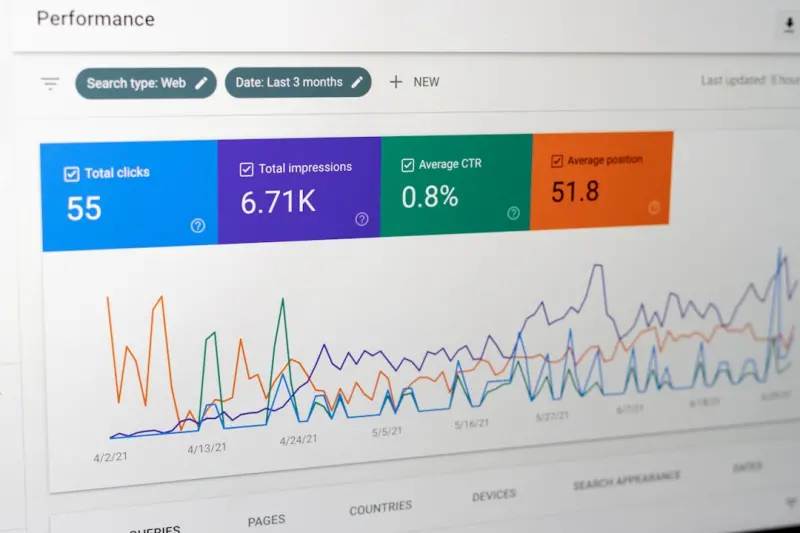
Dynamic Pricing and Margin Optimization: A New Frontier for B2B Ecommerce
Dynamic pricing transforms static price lists into responsive, data‑driven levers that protect mar... Read More

Why Intelligent Product Recommendations Are the Secret Sauce for B2B Ecommerce Growth
Intelligent product recommendations turn data into personalized suggestions that boost average order... Read More

Unlocking Procurement Efficiency with a Self‑Service B2B Buying Portal
A practical guide to building a self‑service B2B buying portal that aligns with procurement workfl... Read More
Top Posts

Hosted Ecommerce: The Shortcut to Global Tax & Regulatory Mastery
Learn how hosted ecommerce platforms turn complex global tax, duty, and compliance challenges into a streamlined process, letting B2B sellers expand confidently...Read More

Privacy‑First Personalization: Building Trust‑Centric Ecommerce Sites
Explore a privacy‑first approach to ecommerce personalization, using edge processing, on‑device machine learning, and trust‑building UI cues to create sec...Read More

Edge‑First Ecommerce: Harnessing the Power of the Edge for Faster, Safer Stores
Learn why moving critical ecommerce logic to the edge delivers lightning‑fast page loads, stronger security, and real‑time personalization, giving online st...Read More
Beyond the Frontend: How Headless Architecture Powers Sustainable, Voice‑First Commerce
Headless commerce separates the front‑end from the backend, unlocking faster, greener, and voice‑first shopping experiences while giving brands full data ow...Read More
0 Comments
Post Comment
You will need to Login or Register to comment on this post!