
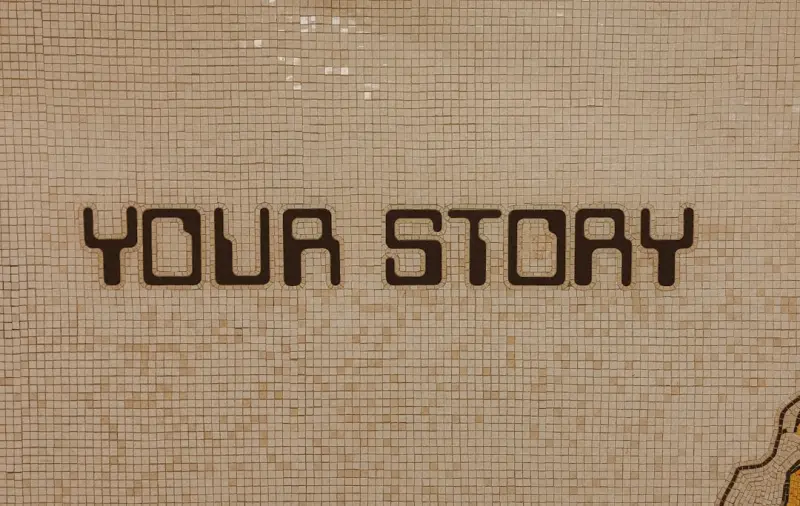
Storytelling in Pixels: How Narrative Design Transforms Ecommerce
When I first walked into a boutique that felt more like a curated gallery than a retail space, I realized the power of story. The shelves weren’t just holding products; they were holding chapters, each item a protagonist in a larger narrative. Fast‑forward to the digital realm, and the same principle applies—only now the canvas is pixels, scrollbars, and click‑throughs. This post is a deep dive into why narrative design isn’t a nice‑to‑have garnish; it’s the secret sauce that can turn a casual browser into a loyal brand advocate.
Why Narrative Design Matters More Than Ever
Traditional ecommerce design has been dominated by the “grid‑and‑price” mindset: display the product, slap on a price, and hope the checkout button does the rest. That approach works for commodities, but it falters when customers crave connection. In an age where attention spans are fragmented and competition is a click away, the ability to convey a compelling story becomes a differentiator.
- Emotional resonance—Stories tap into emotions that pure data can’t reach.
- Memory retention—A narrative hook makes the brand memorable long after the session ends.
- Purchase justification—When shoppers can place a product within a larger story, they’re more likely to rationalize the spend.
In short, narrative design bridges the gap between the rational and the emotional brain, nudging users down the conversion funnel without feeling like a sales pitch.
The Anatomy of a Digital Narrative
Every good story follows a structure. In the ecommerce context, that structure translates into four key touchpoints:
- Hero Introduction – The product is introduced as the hero of a problem the shopper faces.
- Conflict & Stakes – Highlight the pain points or missed opportunities without the product.
- Resolution – Show how the product solves the problem, ideally with real‑world examples.
- Call‑to‑Action (CTA) as a Next Chapter – The CTA isn’t just “Buy Now”; it’s “Start Your Journey”.
When these elements are woven together with visual cues, typography, and motion, the result is a storytelling experience that feels natural, not forced.
Design Elements That Amplify Narrative Flow
To embed narrative into the UI, consider the following design levers:
- Hero Imagery with Context: Instead of isolated product shots, place items in relatable settings. A coffee maker on a sunrise-lit kitchen counter tells a story of morning rituals.
- Progressive Disclosure: Reveal details as users scroll, mimicking the way a story unfolds chapter by chapter.
- Typography Hierarchy: Use typefaces that evoke the brand’s tone—playful scripts for a craft market, clean sans‑serifs for tech gear.
- Micro‑Interactions that reinforce narrative beats. A subtle “page turn” animation when moving from product overview to specs can feel like turning a page in a book. Check out Microinteractions That Turn Browsers into Buyers for inspiration.
- Color Storytelling: Warm hues can convey comfort; bold blues can signal trust.
- Audio & Haptic Feedback (where supported): A soft chime when a user adds an item to the cart can simulate the satisfying “ding” of a physical checkout.
From Storyboards to Code: Building Narrative UI With Design Systems
One common pitfall is trying to hand‑craft every narrative element without a reusable foundation. That’s where a robust Design System becomes essential. By codifying components—hero sections, storytelling cards, animated dividers—you ensure consistency across product pages while still allowing creative flexibility.
Here’s a quick workflow:
- Define Story Modules: Break down the narrative into repeatable blocks (e.g., “Problem Statement”, “Customer Testimonial”, “Before/After Slider”).
- Create Component Library: Build each block as a reusable component in your design system, complete with variant states for light/dark mode.
- Integrate With Low‑Code Tools: Leverage platforms that support Low‑Code Customization so marketers can assemble stories without pulling a developer.
- Test Narrative Flow: Use A/B testing to measure how different story arcs affect metrics like add‑to‑cart rate and average order value.
This approach marries the artistry of storytelling with the scalability of a component‑driven architecture.
Case Study: The Power of a Narrative‑Centric Product Page
Consider a niche brand that sells handcrafted wooden watches. Their original product page was a standard grid with specs and a price tag. After a redesign focused on narrative, the page now opens with a short video of a watchmaker shaping a piece of timber, followed by a “Your Time, Your Story” section that invites users to share personal moments they'd mark with the watch.
Key results after three months:
- Time on page jumped from 1:45 to 3:20.
- Add‑to‑cart rate increased by 27%.
- User‑generated content grew, providing authentic social proof.
The takeaway? When you embed a narrative that resonates, the product becomes less of a commodity and more of a personal artifact.
Storytelling Across the Customer Journey
Don’t limit narrative design to the product detail page. Here’s how to extend the story throughout the funnel:
Landing Pages
Start with a hook—a bold statement or a compelling visual that hints at the story to come. Think of it as the opening line of a novel.
Category Pages
Use curated collections as “chapters”. For example, a “Adventure Gear” collection can be framed as a series of expeditions, each product representing a different stage of the journey.
Checkout
Even the checkout can be narrative‑rich. A progress bar labeled “Your Expedition” with milestones like “Pack Your Gear” (cart), “Set Your Course” (shipping), and “Reach Your Destination” (confirmation) reinforces the story arc.
Post‑Purchase Emails
Continue the storyline with onboarding emails that guide new owners through setup, usage tips, and community stories—turning a one‑time purchase into a lasting relationship.
Measuring Narrative Impact: Metrics That Matter
Traditional ecommerce metrics (conversion rate, bounce rate) still matter, but narrative design introduces new KPIs to watch:
- Story Engagement Score: A composite metric that tracks scroll depth, time spent on story sections, and interaction with narrative elements.
- User‑Generated Story Count: Number of reviews, photos, or videos that customers share, indicating emotional investment.
- Repeat Visit Ratio: Percentage of users returning to explore additional chapters of the brand story.
Tools like heatmaps and session recordings can reveal whether users are truly immersing themselves in the story or skimming past.
Common Pitfalls and How to Avoid Them
- Over‑Narrativizing – Too much text can overwhelm. Balance storytelling with visual hierarchy.
- Inconsistent Tone – If the brand voice shifts mid‑page, the story loses credibility. Keep tone guidelines tight.
- Neglecting Accessibility – Storytelling must be inclusive. Ensure alt text, captions, and proper contrast for all narrative elements.
- Ignoring Performance – Rich media can slow load times. Optimize images and lazy‑load video to preserve the experience.
Future Trends: Immersive Narrative Technologies
Looking ahead, a few emerging tech trends promise to deepen narrative design:
- Augmented Reality (AR) Showrooms: Let users place a product in their environment while a narrated guide walks them through features.
- AI‑Generated Storytelling: Use machine learning to craft personalized micro‑stories based on browsing behavior.
- Voice‑First Narratives: As smart speakers become shopping assistants, design voice scripts that tell a brand story aloud.
While these technologies are still maturing, they underline a simple truth: the future of ecommerce isn’t just about what you sell, but how you tell its story.
Wrapping Up: Your Next Narrative Design Sprint
If you’re ready to infuse narrative into your ecommerce experience, here’s a quick sprint checklist:
- Audit Existing Content – Identify pages that lack a clear story.
- Map Story Arcs – Draft hero, conflict, resolution, CTA for each product.
- Build Story Modules – Add them to your design system for reuse.
- Prototype & Test – Use low‑code tools to spin up variations and measure Story Engagement Scores.
- Iterate – Refine based on data, and keep the narrative fresh.
Remember, narrative design isn’t a one‑off project; it’s an ongoing conversation with your audience. Keep listening, keep tweaking, and most importantly, keep telling stories that matter.

Shawn DesRochers is a certified Microsoft technician and Programmer with 30+ year's experience. He has written many reviews on computer related products, software, and SEO related topics. When he's not writing reviews he can be found at one of the Ecommerce Directory which he is the CEO of.
Related Posts

Designing Trust‑Centric Ecommerce Experiences: Why Visual Credibility Beats Flashy Features
A trust‑first approach to ecommerce design outperforms flashy features. Learn how authentic photog... Read More

When Pixels Meet Feelings: A New Playbook for Emotional Ecommerce Design
Learn how to infuse genuine emotion into every element of your ecommerce site—from color choices a... Read More

The Silent Architecture of Trust: How Visual Design Fuels Ecommerce Conversions
A deep dive into the visual strategies that silently build shopper trust—from color psychology and... Read More
Top Posts

Choosing the Right Tech Stack for Ecommerce Development: A Pragmatic Framework
A practical decision framework helps you cut through hype, align technology choices with business KPIs, and build a modular, future‑proof ecommerce platform....Read More

Why Data Sovereignty Makes Open‑Source Ecommerce the Smart Choice for Regulated Industries
Open‑source ecommerce provides regulated industries with the flexibility to control data residency, meet compliance requirements, and avoid vendor lock‑in, ...Read More

When Code Meets Canvas: Low‑Code Innovation on Open‑Source Ecommerce Platforms
Low‑code is reshaping open‑source ecommerce by letting marketers, product managers, and sales teams build custom experiences without deep coding, accelerati...Read More

Unlocking True Freedom: Building a Scalable Self‑Hosted Ecommerce Engine
A first‑hand guide to migrating from SaaS to a self‑hosted ecommerce platform, covering cost management, containerization, compliance, security, and futureâ...Read More
0 Comments
Post Comment
You will need to Login or Register to comment on this post!