

Why Structured Data Is the Hidden SEO Engine for eCommerce
When most eCommerce teams talk about SEO, the conversation immediately drifts to keyword research, backlink building, and page speed. Those are undeniably important, but there’s a silent powerhouse that many merchants still overlook: structured data. Think of it as the language that helps search engines understand the intent behind every product, review, and offer on your site. When you speak that language fluently, you earn rich snippets, answer boxes, and even voice‑search eligibility—all without paying a cent for ads.
The Anatomy of Structured Data for Online Stores
Structured data is a set of standardized tags—usually JSON‑LD, Microdata, or RDFa—that you embed into your HTML. For eCommerce, the most common schema types are:
- Product: Details like name, brand, SKU, price, availability, and rating.
- Offer: Promotions, discounts, and sale dates.
- Review and AggregateRating: Customer feedback that fuels trust signals.
- BreadcrumbList: Clear navigation paths that appear in search results.
- FAQ and HowTo: Perfect for answering common buyer questions directly on SERPs.
When these entities are correctly marked up, Google and other engines can surface your products as rich results, dramatically increasing click‑through rates (CTR) and reducing the reliance on paid channels.
From Zero to Hero: Real‑World Impact of Rich Snippets
Imagine two identical product pages—same price, same description, same images. One has no schema; the other is fully annotated. In the search results, the annotated page shows a star rating, price, and an “In stock” badge. Studies repeatedly show that such enhancements boost CTR by 30‑40% on average. Moreover, a rich snippet often outranks a traditional result even when the latter has a higher domain authority because it offers immediate value to the user.
But the benefits don’t stop at clicks. Structured data also feeds into Google Shopping feeds, Google Discover, and Voice Assistants**. By aligning your product catalog with schema, you future‑proof your SEO strategy for emerging search modalities.
Step‑by‑Step Blueprint for Deploying Structured Data at Scale
Implementing schema on a handful of flagship products is easy; scaling it across thousands of SKUs is where many stumble. Below is a pragmatic, four‑phase approach that blends automation with quality control.
- Data Mapping: Start by auditing your product information model. Identify fields that map directly to schema attributes—price, availability, SKU, brand, etc. If you’re running a headless commerce stack, you likely already have a GraphQL or REST endpoint exposing these fields.
- Template Generation: Use server‑side rendering or a build‑time static site generator to inject JSON‑LD templates. For example, a Node.js script can loop through your product feed and output a
<script type="application/ld+json">block for each page. Keep the template lean; only include attributes that have reliable data. - Validation Loop: Leverage Google’s Rich Results Test and the Schema.org validator to catch syntax errors before they go live. Automate this step in your CI/CD pipeline to ensure every deployment passes validation.
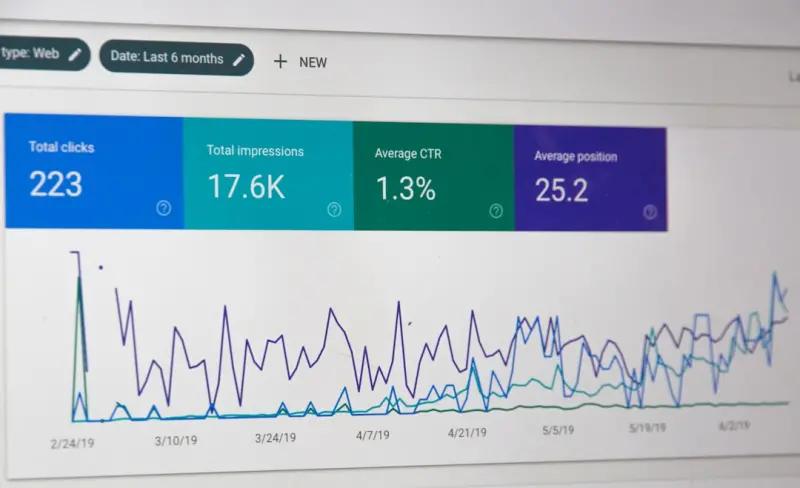
- Monitoring & Optimization: Once live, track impressions and CTR in Google Search Console under the “Enhancements” report. Identify pages that aren’t showing rich results and investigate missing or malformed fields. Iterate continuously—add new schema types as you expand product features (e.g., VideoObject for demo videos).
Beyond Products: Leveraging Structured Data for Content Marketing
Most eCommerce SEO strategies focus solely on product pages, but your brand’s blog, guides, and resource center are equally valuable real estate. By tagging Article and FAQ schema on educational content, you can dominate the “how‑to” and “best‑of” queries that sit at the top of the buyer’s journey.
Take a look at our Unleashing the Modular Power of Headless Commerce post for an example of how modular architectures enable rapid schema deployment across both product and content layers. When the same schema backbone powers your storefront and your knowledge base, you create a cohesive SEO footprint that search engines love.
International SEO Meets Structured Data
If you sell across borders, you already know the challenges of hreflang tags, currency conversion, and localized keyword research. Structured data adds another dimension: you can specify priceCurrency, availability, and even shippingDetails per market. This granularity tells Google exactly which version of a product to display to a user in a given country, reducing duplicate‑content penalties and improving localized CTR.
Combine this with a robust international routing strategy, and you’ll see a measurable lift in organic traffic from high‑value markets—without the need for separate domain structures.
Common Pitfalls and How to Avoid Them
- Over‑Tagging: Adding every possible schema property sounds tempting, but incomplete or inaccurate data can trigger manual penalties. Stick to fields you can guarantee 100% accuracy for.
- Duplicate Markup: Don’t place the same JSON‑LD block in both the header and body. Choose one location to keep the HTML clean.
- Neglecting Updates: Prices, stock levels, and promotions change daily. Integrate your schema generation with real‑time inventory APIs to keep structured data fresh.
- Ignoring Search Console Feedback: The “Enhancements” section is a goldmine. If Google flags an “Invalid value” error, treat it as a high‑priority bug.
Automation Tools Worth Your Attention
While custom scripts give you full control, several SaaS solutions can accelerate implementation:
- Schema Pro: A WordPress plugin that auto‑generates JSON‑LD for product pages.
- Merchynt: Offers a bulk schema uploader that integrates with Shopify and BigCommerce.
- GraphQL‑Driven Headless Platforms: When paired with a headless front end, you can query schema fields directly and render them on the fly—exactly what we discussed in our Open‑Source Ecommerce deep dive.
The Bottom Line: Structured Data as a Competitive Moat
In a crowded digital marketplace, the difference between a click and a bounce often comes down to the information presented on the SERP. Structured data equips you with a competitive moat—one that’s difficult for rivals to replicate overnight because it requires both technical rigor and a disciplined data governance model.
Investing time now to master schema will pay dividends in higher CTR, richer SERP presence, and smoother expansion into new channels like voice assistants and visual search. It’s not a “nice‑to‑have”; it’s a must‑have for any eCommerce brand that wants sustainable, organic growth.

Robert Mathews is a professional content marketer and freelancer for many SEO agencies. In his spare time he likes to play video games, get outdoors and enjoy time with his family and friends .
Related Posts

Why Video Is the Missing Link in Your eCommerce SEO Strategy
Learn how to leverage video, schema markup, performance optimization, and AI‑driven keyword cluste... Read More

Crawl‑Budget Mastery: Getting Your Massive Product Catalog Indexed Faster
A deep dive into crawl‑budget strategies for massive eCommerce sites, covering catalog audits, URL... Read More
Semantic Product Page SEO: Turning Data Into Rankings
Discover a step‑by‑step approach to semantic product page SEO, from structured data to content c... Read More
Top Posts

Compliance‑First Self‑Hosted Ecommerce: Owning Data, Building Trust
A compliance‑first approach to self‑hosted ecommerce gives you control over data residency, reduces legal risk, and creates trust signals that boost convers...Read More

Escaping Vendor Lock‑In: A Playbook for Agile Hosted Ecommerce
Discover a step‑by‑step framework to keep your hosted ecommerce flexible and future‑proof, avoiding the hidden traps of vendor lock‑in while boosting sp...Read More

Low‑Code Hosted eCommerce: Build Without Developers
Low‑code platforms empower non‑technical teams to create, launch, and iterate on hosted eCommerce storefronts, dramatically reducing time‑to‑market, cos...Read More

Beyond the Frontend: How Headless Architecture Powers Sustainable, Voice‑First Commerce
Headless commerce separates the front‑end from the backend, unlocking faster, greener, and voice‑first shopping experiences while giving brands full data ow...Read More
0 Comments
Post Comment
You will need to Login or Register to comment on this post!