
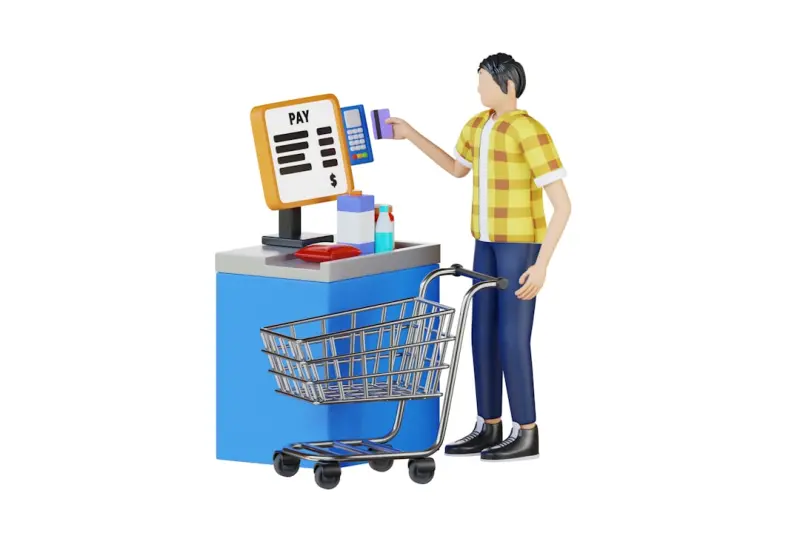
Why Subscription Commerce is the Next Frontier for Hosted Ecommerce
When I first built a storefront on a hosted platform, my primary goal was to get products in front of customers as quickly as possible. Fast deployments, automatic scaling, and a managed security layer were the biggest wins. Over time, however, I realized that speed and stability are just the foundation; the real growth engine lives in how you monetize the relationship after the first sale.
Enter subscription commerce. What started as a niche strategy for niche products—think monthly coffee deliveries or curated fashion boxes—has exploded into a mainstream revenue model. Brands across every vertical are shifting from “one‑off transactions” to “ongoing value.” For hosted ecommerce operators, this shift isn’t just an opportunity; it’s a strategic imperative.
From One‑Time Purchases to Recurring Revenue: The Economics
Let’s break down the numbers. A typical ecommerce transaction has a customer acquisition cost (CAC) that can range from $30 to $150, depending on the channel. If a shopper makes a single $100 purchase, the gross margin after CAC might be razor‑thin. In contrast, a subscriber who pays $30 per month for a curated box contributes $360 in revenue over a year—four times the initial sale—while the CAC remains a one‑time expense.
Beyond the raw revenue, subscriptions dramatically improve customer lifetime value (CLV). A higher CLV provides more breathing room for marketing budgets, enables better forecasting, and creates a defensible moat against price wars. Hosted platforms, with their built‑in scalability and compliance layers, give you the technical confidence to experiment with recurring billing without building the infrastructure from scratch.
Key Pillars of a Successful Hosted Subscription Store
Building a subscription business on a hosted platform is not a plug‑and‑play endeavor. There are four pillars you need to master:
- Seamless Billing Infrastructure: Automatic renewals, proration, and failed‑payment recovery must be smooth. Hosted solutions often provide native integrations with Stripe, Braintree, or PayPal, but you still need to configure retry logic and dunning management to protect revenue.
- Dynamic Product Curation: Subscribers expect relevance. Leverage data to personalize the items in each shipment, whether through AI‑driven recommendations or manual curation.
- Engagement Loop: The subscription journey continues after each delivery. Email nudges, community forums, and exclusive content keep churn at bay.
- Operational Flexibility: Inventory, fulfillment, and supply chain must adapt to the cadence of recurring orders. Hosted platforms often expose webhook APIs that let you sync order data with your warehouse management system in real time.
Low‑Code Commerce Makes Subscription Rollouts Faster Than Ever
One of the biggest myths about subscription commerce is that it requires a heavyweight engineering team. In reality, many hosted platforms now offer low‑code commerce tools that let product managers or merchandisers build subscription flows without writing a line of code.
Here’s how it typically works:
- Drag‑and‑Drop Subscription Widgets: Choose from pre‑built components—recurring checkout, plan selector, and upgrade/downgrade UI—then drop them onto your product pages.
- Configure Billing Rules Visually: Set trial periods, discounts for annual commitments, or usage‑based pricing using point‑and‑click settings.
- Integrate with Existing CRM: Map subscriber data to your CRM fields via visual connectors, ensuring sales and support have a 360° view of each member.
The result? You can prototype a subscription offering in days rather than weeks. For SMBs with limited resources, this speed‑to‑market is often the difference between capturing a trend early or watching it pass by.
Data‑Driven Personalization: Leveraging Real‑Time Data Streams
Subscription success hinges on relevance. If you ship a box of winter accessories in July, you’ll see churn spikes. To avoid that, you need to act on data as it happens. Hosted platforms are uniquely positioned to ingest real‑time data streams from browsing behavior, purchase history, and even IoT devices.
Consider this workflow:
- A subscriber clicks a “skip this month” button on your mobile app.
- The event fires an instant webhook to your personalization engine.
- The engine recalibrates the upcoming box composition, swapping out the skipped item for an alternative that aligns with the subscriber’s preferences.
- The updated box details are sent via push notification, reinforcing the sense of control.
By closing the feedback loop within minutes, you turn friction into an opportunity for delight. Moreover, the data you collect fuels predictive models that can anticipate churn, recommend upsells, and optimize inventory.
Designing the Subscription Experience: Beyond the Checkout
The checkout is just the entry point. A subscription journey should feel like a membership rather than a transaction. Here’s how to design that experience:
- Onboarding Journey: Welcome emails, video tutorials, and a “first‑month preview” build anticipation. Treat the first box as a “welcome kit” that explains the value proposition and sets expectations.
- Member Dashboard: Give subscribers a self‑service portal where they can manage plans, view shipment history, and rate items. A well‑crafted dashboard reduces support tickets and deepens engagement.
- Community Layer: Host forums, exclusive webinars, or social media groups where members can share tips, request product ideas, and feel part of a tribe. Community advocacy often leads to organic referrals.
- Loyalty Rewards: Offer points for each delivery, referrals, or social shares. Stackable rewards encourage longer tenure and higher average order value.
Operational Excellence: Fulfillment Strategies for Recurring Orders
Recurring orders bring a unique set of logistical challenges. Unlike one‑off orders that can be batch‑picked ad‑hoc, subscription shipments demand predictability and consistency.
Here are three fulfillment models that work well with hosted platforms:
- Batch Fulfillment: Consolidate all shipments for a given day, reducing pick‑and‑pack labor. Hosted platforms can generate a single “batch manifest” via API, streamlining warehouse operations.
- Distributed Fulfillment: Use multiple regional fulfillment centers to shorten delivery windows. With hosted solutions that provide multi‑warehouse inventory visibility, you can automatically route orders to the nearest hub.
- Print‑On‑Demand (POD) Add‑Ons: Offer customizable items (e.g., monogrammed mugs) that are printed only when a subscriber selects them. POD reduces inventory risk while adding a personal touch.
Integrating these models with your hosted platform’s order management system ensures you maintain a tight feedback loop between sales and fulfillment, which is critical for preserving the subscription experience.
Mitigating Churn: The Real Cost of Losing a Subscriber
Churn is the silent killer of subscription businesses. While acquiring a new subscriber can cost $30‑$100, losing an existing one erodes the entire lifetime value you built. Hosted platforms give you the tools to fight churn on three fronts:
- Predictive Alerts: Use real‑time analytics to flag at‑risk accounts based on skipped deliveries, payment failures, or reduced engagement.
- Retention Campaigns: Automatically trigger targeted emails—offering a discount, a free upgrade, or a personalized product recommendation—to re‑engage the subscriber.
- Flexible Plans: Allow users to pause, downgrade, or swap items without friction. Flexibility reduces the likelihood of a hard cancellation.
When these safeguards are baked into the subscription workflow, you convert potential churn into an opportunity for deeper loyalty.
Regulatory and Compliance Considerations
Recurring billing introduces additional compliance layers, especially around payment mandates (e.g., SEPA Direct Debit, ACH). Hosted platforms often handle PCI‑DSS compliance, but you still need to ensure:
- Clear disclosure of recurring fees in the checkout UI.
- Easy access to cancellation pathways to comply with consumer protection laws.
- Secure storage of payment tokens, not raw card data.
Because the platform abstracts much of the heavy lifting, you can focus on crafting transparent policies and user‑friendly communications rather than wrestling with the legalese of recurring payments.
Scaling the Subscription Model Globally
Once you have a proven subscription loop in one market, the next logical step is expansion. Hosted platforms simplify cross‑border scaling in three ways:
- Multi‑Currency Billing: Offer localized pricing, automatically converting prices based on exchange rates and local tax rules.
- Localized Checkout: Use language packs and region‑specific payment methods (e.g., Alipay, Klarna) to reduce friction.
- Compliance Automation: Leverage the platform’s built‑in tax calculation and invoicing features to stay compliant in each jurisdiction.
This “global‑first” mindset ensures you’re not just replicating a domestic subscription model but tailoring it to regional preferences, thereby increasing adoption and reducing churn in new markets.
Measuring Success: KPIs That Matter
To justify the investment and iterate effectively, you need a clear set of metrics:
| Metric | Why It Matters |
|---|---|
| Monthly Recurring Revenue (MRR) | Core revenue indicator for subscription health. |
| Churn Rate | Direct impact on MRR and CLV. |
| Average Revenue Per User (ARPU) | Shows upsell effectiveness. |
| Customer Acquisition Cost (CAC) | Ensures marketing spend is sustainable. |
| Net Promoter Score (NPS) | Predicts word‑of‑mouth growth. |
Hosted platforms often provide dashboards that surface these KPIs in real time, letting you make data‑driven decisions without building custom analytics pipelines.
Case Study Snapshot: A Niche Beauty Brand’s Subscription Leap
To illustrate the impact, consider a boutique beauty brand that launched a “monthly glow box” on a hosted platform. Within six months:
- MRR grew from $0 to $250,000.
- Churn fell to 3% after implementing predictive alerts and flexible pause options.
- ARPU increased by 22% through upsells of limited‑edition products.
- The brand expanded to three new European markets using the platform’s multi‑currency checkout.
The secret? Leveraging the platform’s low‑code subscription builder to iterate on plan options, and coupling it with real‑time data streams to personalize each box. The result was a community of loyal members who saw the brand not just as a seller, but as a curator of their personal beauty journey.
Getting Started: A Step‑by‑Step Playbook
If you’re ready to dive in, follow this pragmatic roadmap:
- Define Your Value Proposition: What recurring problem does your product solve? Frame it as a continuous benefit.
- Select a Hosted Platform with Subscription Support: Look for built‑in billing, webhook capabilities, and low‑code tools.
- Prototype the Subscription Flow: Use drag‑and‑drop widgets to create a plan selector and trial checkout.
- Integrate Real‑Time Data: Connect analytics to capture usage signals and feed them back into product curation.
- Launch a Pilot: Target a small segment, gather feedback, and iterate on the onboarding experience.
- Scale Operations: Align fulfillment, inventory, and customer support to the recurring cadence.
- Monitor KPIs and Optimize: Use the platform’s dashboard to track MRR, churn, and ARPU, adjusting pricing or product mix as needed.
Remember, subscription commerce is a marathon, not a sprint. The hosted environment gives you the runway to test, learn, and scale without the overhead of managing servers or security patches.
Final Thoughts: Turning Transactions into Relationships
Hosted ecommerce has matured beyond a simple sales channel. It’s now a relationship engine that, when paired with subscription models, transforms a one‑time purchase into a lifelong partnership. By leveraging low‑code tools, real‑time data, and a community‑first mindset, you can build a subscription business that’s resilient, scalable, and deeply aligned with customer needs.
If you’re still on the fence, ask yourself: Do you want to chase new customers every month, or would you rather nurture a tribe that values your brand enough to stay for the long haul? The answer will guide you to the next strategic move—turning your hosted storefront into a subscription powerhouse.

Jimmy Anand is a content creator that gets inspired by many aspects of life, internet or whatever inspires him at that moment. When he's not online he's gaming and when he is not gaming he is online trolling discussion boards.
Related Posts

Turning Real‑Time Data Streams Into Revenue Engines for Hosted Ecommerce
Real‑time analytics are no longer a back‑office luxury; they’re a front‑line revenue engine.... Read More
AI‑Driven Merchandising: Turning Hosted Stores into Revenue Machines
AI‑driven merchandising transforms static hosted storefronts into dynamic, revenue‑boosting expe... Read More
Turning Voice Into Revenue: How Conversational Shopping Is Reshaping Hosted Ecommerce
This article examines the rise of voice and chat-driven shopping in hosted ecommerce, outlining esse... Read More
Top Posts

Compliance‑First Self‑Hosted Ecommerce: Owning Data, Building Trust
A compliance‑first approach to self‑hosted ecommerce gives you control over data residency, reduces legal risk, and creates trust signals that boost convers...Read More

Why Headless Architecture Is the Secret Weapon for B2B Product Configurators
Headless commerce decouples UI from core logic, enabling B2B companies to build fast, secure, and AI‑enhanced product configurators that adapt to complex engi...Read More

Turning Headless Architecture into a Playground for Continuous Experimentation
Headless ecommerce isn’t just about flexibility—it’s a catalyst for a culture of rapid, data‑driven experimentation. Learn how to build an API‑first s...Read More

Monetizing Extensions: Turning Community‑Powered Commerce into a Sustainable Profit Center
A deep dive into turning open‑source commerce extensions into profitable products, covering pricing, support, community engagement, and risk management....Read More
0 Comments
Post Comment
You will need to Login or Register to comment on this post!