

When I first helped a boutique apparel brand transition from a single‑product storefront to a full‑blown marketplace, the biggest surprise wasn’t the spike in traffic—it was the sheer shift in mindset required from “selling” to “orchestrating.” The platform that once served as a digital display window suddenly became a living, breathing ecosystem where independent sellers, logistics partners, and customers all interact in real time. That experience sparked a deep dive into the mechanics, economics, and cultural changes that define today’s multi‑vendor SaaS platforms, and why they’re poised to become the most compelling growth lever for ecommerce operators.
Why the Marketplace Model Is No Longer Niche
The traditional ecommerce playbook has always centered on a brand‑centric catalog, with the merchant controlling inventory, pricing, and the checkout flow. Yet consumer expectations have evolved: shoppers now want variety, competition, and the confidence that comes from peer reviews and seller ratings. Simultaneously, small‑to‑mid‑size brands struggle to expand product lines without inflating overhead. A multi‑vendor SaaS platform elegantly solves both dilemmas by turning a single storefront into a curated marketplace that aggregates complementary products, leverages network effects, and distributes risk across a community of sellers.
The Core Architecture Behind a Scalable Marketplace
Building a marketplace isn’t just about plugging a few extra vendor accounts into an existing cart. It requires a modular, service‑oriented architecture that can independently scale product ingestion, order routing, and payment settlement. Think of the platform as a collection of loosely coupled services—catalog management, seller onboarding, compliance, fulfillment, and analytics—each communicating through well‑defined APIs. This design allows you to swap out or upgrade components without disrupting the entire system, a crucial capability when you need to onboard dozens of new sellers each week.
Revenue Diversification: More Than Just Transaction Fees
- Commission structures. Traditional percentages can be supplemented with tiered rates that reward high‑volume sellers or premium product categories.
- Subscription tiers. Offer sellers a “pro” plan that includes enhanced storefront customization, priority support, or access to advanced analytics.
- Advertising inventory. Sellers can promote their listings on the marketplace’s homepage or within search results, creating an additional revenue stream for the platform owner.
- Value‑added services. From fulfillment outsourcing to branding workshops, each service deepens the relationship and increases per‑seller spend.
Customer Acquisition Benefits
Every new seller adds fresh product SKUs, which in turn expands the platform’s keyword footprint and organic search visibility. More variety attracts a broader audience, reducing the reliance on paid acquisition channels. Additionally, the marketplace model inherently drives word‑of‑mouth referrals; satisfied sellers often become brand advocates, promoting the platform to their own customer bases.
Data Insights Amplified by a Live Data Pipeline
When dozens—or hundreds—of independent sellers feed data into a single platform, the volume and velocity of information explode. Harnessing that stream with a robust live data pipeline enables real‑time demand forecasting, dynamic pricing, and inventory optimization across the entire ecosystem. The platform can surface cross‑seller trends, identify emerging niche categories, and recommend strategic inventory adjustments before a single stock‑out occurs.
Operational Hurdles and How to Overcome Them
Running a marketplace is not without complexity. You’ll need to manage disparate inventory sources, reconcile multiple tax jurisdictions, and ensure consistent buyer experiences despite varying seller fulfillment capabilities. A pragmatic approach is to adopt a “seller service layer” that standardizes key processes—order validation, shipping label generation, and returns handling—while still allowing sellers to plug in their preferred logistics providers. This layer can be built using a no‑code store builder that abstracts the underlying API calls, dramatically shortening the time to onboard new partners.
Compliance and Trust Without the Overhead
Trust is the currency of any marketplace. While the previous post on visual credibility explored design cues, the operational side of trust—verification, KYC, and fraud detection—must be baked into the platform’s core. Leveraging third‑party verification services via modular APIs allows you to enforce compliance without building a monolithic risk engine from scratch. Moreover, transparent seller dashboards that showcase performance metrics (order fulfillment time, return rates, customer ratings) empower buyers to make informed decisions, reinforcing confidence in the overall marketplace.
Step‑by‑Step Playbook to Launch Your Multi‑Vendor Platform
- Define the niche. Choose a product vertical where you can attract both sellers and buyers with a clear value proposition.
- Map the service ecosystem. Identify the essential services (catalog, payments, fulfillment) and the optional add‑ons (marketing, analytics).
- Choose a modular platform. Opt for a SaaS foundation that offers plug‑and‑play services and supports API‑first integration.
- Build the seller onboarding flow. Use a low‑code interface to collect required documentation, configure payment splits, and set up product feeds.
- Implement a unified checkout. Ensure the cart can aggregate items from multiple sellers while handling tax and shipping calculations transparently.
- Roll out a pilot. Invite a handful of trusted sellers, monitor performance metrics, and iterate on the seller experience.
- Scale aggressively. Leverage the data insights from your live pipeline to refine commission models, promotional strategies, and marketplace curation.
Future Outlook: From Marketplace to Ecosystem
As the platform matures, the line between marketplace and full‑fledged ecosystem blurs. Sellers become partners, co‑creating content, exclusive bundles, and even private label products. The platform can evolve into a data exchange hub, offering anonymized trend reports to sellers for a subscription fee. In that scenario, the marketplace isn’t just a sales channel—it’s a strategic asset that fuels innovation across the entire product lifecycle.
In my experience, the most successful ecommerce transformations are those that treat technology as an enabler rather than a constraint. By embracing a multi‑vendor SaaS model, you unlock a virtuous cycle of variety, data, and revenue that propels your brand far beyond the limits of a single‑product storefront.

Robert Mathews is a professional content marketer and freelancer for many SEO agencies. In his spare time he likes to play video games, get outdoors and enjoy time with his family and friends .
Related Posts

Turning Shoppers into Subscribers: The Hidden Power of Subscription Commerce Platforms
Subscription commerce shifts the focus from one‑off sales to recurring relationships, offering hig... Read More

Social Commerce Fusion: Transforming B2B Platforms into Interactive Marketplaces
Social commerce is reshaping B2B ecommerce by embedding peer endorsements, community Q&A, and dynami... Read More

Voice Commerce: The Quiet Revolution Shaping Modern Ecommerce Platforms
Voice commerce is emerging as a powerful, hands‑free channel for both B2C and B2B buyers. This pos... Read More
Top Posts

Progressive Web Apps: The Future of Ecommerce Development
Progressive Web Apps combine web reach with app‑like performance, offering faster load times, offline capabilities, and push notifications. Learn how to build...Read More
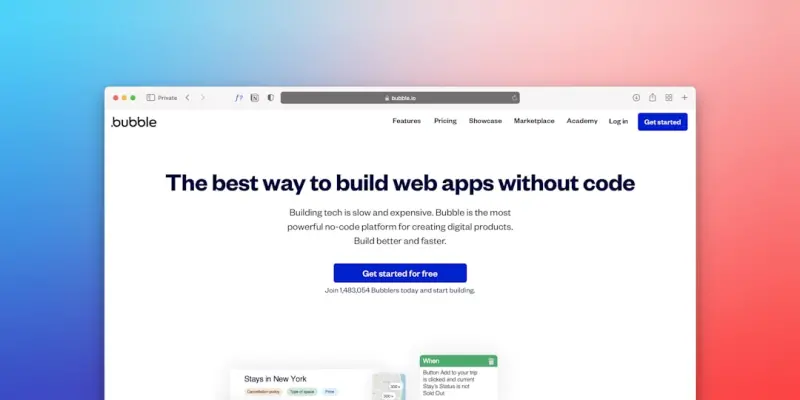
Building a B2B Marketplace Ecosystem: From Storefront to Partner Hub
A B2B marketplace transforms a simple storefront into a collaborative hub where suppliers, buyers, and service partners co‑create value. Learn the pillars, te...Read More

Gamify Your B2B Relationships: Turning Transactions into Experiences
Gamification can turn routine B2B interactions into compelling experiences. This post explores why game mechanics work for enterprise customers, how to map them...Read More

Zero‑Click Search: Winning the New eCommerce SERP Battlefield
Zero‑click search now dominates the SERP, and eCommerce brands must adapt. This guide explains the mechanics of rich results, offers a step‑by‑step playbo...Read More
0 Comments
Post Comment
You will need to Login or Register to comment on this post!