

Why the Classic Funnel No Longer Captures Real Engagement
For years we’ve measured success with a linear funnel: awareness → consideration → purchase → repeat. That model assumes a predictable, one‑way journey. In reality, customers today bounce, pause, comment, and even redesign the experience as they go. When you treat engagement as a static sequence, you miss the rich, iterative conversations that happen across social channels, support tickets, and product feedback loops. The result? Stagnant metrics, churn, and a brand that feels “out of touch.”
Enter Adaptive Engagement Loops
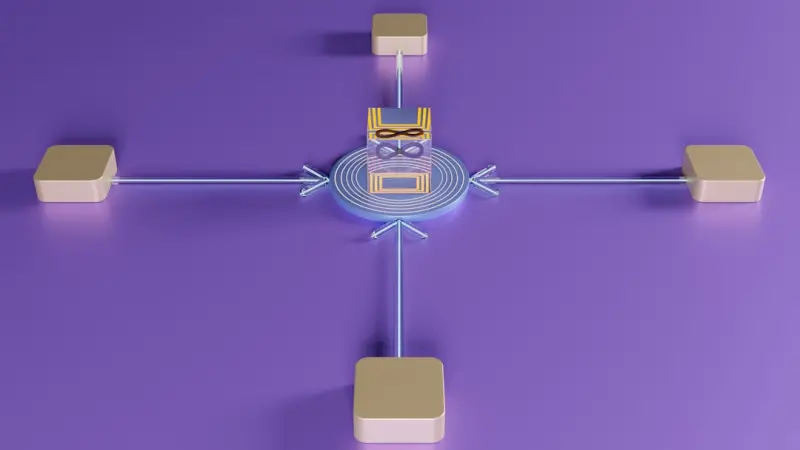
Imagine engagement as a living, breathing loop that continuously reshapes itself based on real‑time signals. Instead of pushing users down a pre‑determined path, you pull them into a dynamic cycle where each interaction informs the next. This approach blends data‑driven insights with human empathy, turning every touchpoint into an opportunity for co‑creation rather than mere conversion.
The Three Pillars of Adaptive Engagement
- Dynamic Intent Mapping – Continuously refine what a customer wants by analyzing behavior, sentiment, and context. Unlike static personas, intent maps evolve with each click, comment, and conversation.
- Human‑in‑the‑Loop Orchestration – Automated tools surface insights, but skilled team members intervene at the right moments to add nuance, empathy, and strategic direction.
- Feedback‑Driven Evolution – Every outcome—whether a purchase, a support ticket, or a product suggestion—feeds back into the loop, updating models, content, and outreach tactics.
Technology Foundations Without Over‑Engineering
Building adaptive loops doesn’t require a full‑blown AI overhaul. Start with modular components that talk to each other via well‑defined APIs. For example, a design system ensures consistent UI patterns while allowing rapid iteration based on user feedback. Pair that with a lightweight event streaming platform to capture real‑time actions, and you have the scaffolding for a loop that can scale.
Human + Machine: The Hybrid Engagement Model
Automation excels at pattern recognition, but it lacks the emotional intelligence to resolve ambiguity. A hybrid model assigns routine triage—like routing a chat based on intent probability—to bots, while reserving complex, high‑stakes interactions for live agents. This not only improves response times but also empowers agents to focus on high‑value relationship building.
Metrics That Matter in an Adaptive World
Traditional KPIs—click‑through rate, conversion rate, average order value—still have a place, but they’re insufficient for loop‑based engagement. Consider these newer signals:
- Intent Shift Velocity – How quickly a user’s intent evolves after a touchpoint.
- Co‑Creation Score – A composite metric that tracks contributions to product ideas, community discussions, and content creation.
- Loop Retention Ratio – The percentage of users who re‑enter the engagement loop after completing a cycle.
Case Study: From Passive Browsers to Co‑Creators
One mid‑size SaaS provider replaced its static onboarding emails with an adaptive loop. After a user signed up, the system presented a short intent survey, then tailored a live demo invitation based on the answers. During the demo, the sales rep used real‑time sentiment analysis (a nod to AI‑powered personalization) to adjust the narrative on the fly. Post‑demo, the prospect received a collaborative product roadmap invitation, allowing them to vote on upcoming features. Within three months, the company saw a 27% increase in qualified leads, a 15% lift in product‑feature adoption, and a measurable boost in community activity—a clear demonstration of the loop in action.
Practical Steps to Build Your First Adaptive Loop
- Map Existing Touchpoints – List every interaction point (emails, chats, product tours, support tickets) and note the data each generates.
- Identify Intent Signals – Use simple rule‑based classifiers (e.g., “downloaded whitepaper” = research intent) as a starting point.
- Integrate a Real‑Time Event Bus – Tools like Kafka or lightweight alternatives can stream events to a central hub for immediate processing.
- Design a Feedback Capture Mechanism – After each loop, ask users a single, context‑aware question (e.g., “Did this solution solve your problem?”) and feed the response back into the system.
- Empower Your Team – Provide agents with dashboards that surface intent scores, sentiment alerts, and suggested next steps.
- Iterate and Expand – Start with one segment (e.g., new trial users) and gradually extend the loop to existing customers, partners, and even internal stakeholders.
Common Pitfalls and How to Avoid Them
Over‑Automating. If every decision is delegated to an algorithm, you risk losing the human nuance that differentiates great brands. Keep a “human‑override” path for high‑value scenarios.
Data Silos. Adaptive loops thrive on cross‑functional data. Break down barriers between marketing, product, and support to ensure every insight is shared.
Neglecting Privacy. Real‑time personalization must respect consent and data regulations. Implement transparent opt‑in mechanisms and give users control over their data.
Future‑Proofing Your Engagement Strategy
Adaptive loops are not a one‑off project; they’re a mindset shift toward continuous learning. As new channels emerge—voice assistants, immersive AR experiences, or decentralized community platforms—your loop can absorb them as additional input streams. The key is to maintain a modular architecture that welcomes new data sources without breaking existing flows.
Conclusion: From Transactions to Partnerships
When you reframe engagement as an adaptive loop, you move from a transactional mindset to a partnership model. Customers become collaborators, and every interaction contributes to a richer, more personalized experience. The result is not just higher revenue—it’s a loyal community that feels heard, valued, and invested in your brand’s evolution.

Brad Hays is a freelance writer known for his versatile skill set and ability to craft compelling content across a wide range of industries.
Related Posts

Turning Customers into Co‑Creators: A New Playbook for B2B Engagement
Discover a fresh approach to customer engagement by inviting B2B clients to co‑create product feat... Read More

Beyond Clicks: Building Trust‑Based Customer Dialogues
Discover a fresh approach to customer engagement that moves beyond metrics, using trust‑based dial... Read More

Co‑Creating Value: How Joint Innovation Sessions Supercharge Customer Engagement
Co‑creation workshops invite customers into product development, turning them into partners. Learn... Read More
Top Posts

Design Systems: The Backbone of Scalable Ecommerce UI
A design system isn’t a luxury—it's a critical engine for ecommerce growth, delivering consistency, performance, and scalability while protecting brand inte...Read More

Inclusive Design: Turning Accessibility into Ecommerce Growth
Accessibility isn’t a checkbox; it’s a growth engine. Discover how inclusive design improves conversions, SEO, and brand loyalty while keeping your ecommerc...Read More
Why Kubernetes Is the Secret Weapon for Self‑Hosted Ecommerce
Kubernetes transforms self‑hosted ecommerce by providing self‑healing, auto‑scaling, and cost‑effective infrastructure, enabling merchants to maintain c...Read More

Designing Trust: Visual Strategies to Cut Cart Abandonment
A deep dive into visual trust signals, UI design patterns, and narrative techniques that help ecommerce sites turn hesitant shoppers into confident buyers....Read More
0 Comments
Post Comment
You will need to Login or Register to comment on this post!