

Why “Human‑First” Beats “Automation‑First” in B2B Customer Engagement
When I first stepped into the SaaS arena, the mantra was scale fast, automate everything. The logic was simple: if a bot can answer a ticket in 2 seconds, why waste a human’s time? Fast forward a few product releases, and I’m still hearing that same chorus—until the churn numbers start whispering louder than any KPI dashboard. The truth is, B2B buyers may be sophisticated, but they’re still humans looking for relevance, recognition, and a genuine relationship.
The Myth of “One‑Size‑Fits‑All” Communication
Many teams treat “customer engagement” as a blanket email blast or a generic chatbot script. It works enough to keep a prospect in the funnel, but it rarely builds the kind of loyalty that turns a $5 k contract into a $200 k multi‑year partnership. The myth stems from two mistaken beliefs:
- All buyers speak the same language. In reality, a procurement officer, a CTO, and an end‑user each have distinct pain points and decision‑making triggers.
- Speed beats personalization. A quick automated response feels impersonal; a slightly slower, tailored reply feels like you actually listened.
To break the cycle, you need to move from “broadcast mode” to “conversation mode.”
Building a Community Hub, Not Just a Support Ticket Queue
Think of a community hub as a living, breathing knowledge base that people want to join, not one they’re forced to use when a problem arises. When I launched a pilot community for our mid‑market SaaS product, the engagement metrics exploded:
- Daily active members grew from 30 to 450 in three months.
- Self‑service resolution jumped from 42 % to 78 %.
- Net promoter score (NPS) climbed 12 points, purely from peer‑to‑peer interaction.
The secret? Curate content that feels exclusive: behind‑the‑scenes product roadmaps, early‑access beta invites, and “ask me anything” sessions with the engineering team. This approach turns the community into an extension of your product team, fostering a sense of co‑ownership among users.
Gamify the Journey Without Turning It Into a Game
Gamification doesn’t mean adding points and badges for every click. It means embedding subtle incentives that nudge users toward deeper engagement. Here’s a framework that has worked for us:
- Milestone Recognition. Celebrate the moment a client completes their first integration or hits a usage threshold. A personalized email with a “Congrats” badge attached feels more sincere than a generic “Congrats on your 10th login.”
- Progressive Unlocks. Offer advanced training modules or premium support tiers as users demonstrate product mastery. This creates a natural progression path that feels earned, not handed.
- Social Proof Loops. When a user reaches a milestone, automatically surface that achievement (with permission) on the community feed. Peers see tangible success, and the original user feels valued.
By tying rewards to meaningful actions, you reinforce the behaviors that drive adoption and retention.
Leveraging Intent Data to Anticipate Needs
Instead of reacting to a support ticket after a problem surfaces, use intent signals to predict the next step in a customer’s journey. For example, if a user repeatedly accesses the API documentation for a particular endpoint, you can proactively offer a one‑on‑one walkthrough or a specialized integration guide. This approach shifts the conversation from “We’re sorry you’re having trouble” to “We saw you’re exploring X, here’s how to get the most out of it.”
The Role of Voice‑First Interactions in Enterprise Settings
While many associate voice assistants with consumer use cases, the Voice‑First Playbook demonstrates that conversational AI can dramatically improve B2B engagement. Imagine a sales engineer asking a quick, voice‑driven query about a client’s usage stats while on a call—no dashboard toggling required. The key is to embed voice as an augmentation to existing workflows, not a replacement.
Design Systems: The Unseen Backbone of Consistent Engagement
Consistency breeds trust. When every touchpoint—from onboarding emails to in‑app notifications—shares the same visual language and tone, users feel less friction and more confidence. Our Design Systems initiative helped us standardize UI components, copy style, and interaction patterns across three product lines. The result?
- Reduced onboarding time by 22 % because users could transfer knowledge between products.
- Lowered support tickets related to UI confusion by 30 %.
- Increased brand NPS, as customers cited “consistent experience” as a top reason for staying.
Micro‑Moments Reimagined: From Reactive to Proactive Touchpoints
We often hear about Micro‑Moments as the instant when a buyer decides to click “Buy.” I prefer to think of them as micro‑opportunities to deepen trust. A user logs in at 3 am, sees a new feature announcement tailored to their role, and clicks a quick tutorial link. That tiny interaction, if delivered with relevance, can shift the perception of your brand from “just a tool” to “a partner.”
Humanizing Automated Workflows
Automation should never erase the human element; it should amplify it. Here’s a three‑step recipe to keep the “human” in “automation”:
- Personalized Tokens. Use the recipient’s name, company, and recent activity in every automated email. A simple line like “I noticed you just completed X, here’s a tip for Y” feels bespoke.
- Escalation Warm‑Hand. When a bot detects a high‑friction scenario, route the conversation to a live agent with a full context snapshot. No “repeat the story” moments.
- Feedback Loops. After each automated interaction, ask for a quick thumbs‑up/down. Use that data to refine the tone and content of future messages.
These practices keep the experience personal, even at scale.
Measuring the Right Engagement Metrics
Most teams default to vanity metrics like page views or email open rates. For true engagement, focus on:
- Active Usage Days. How many days in a month does a user actually interact with core features?
- Feature Adoption Velocity. Time taken from feature release to first use by a target segment.
- Community Contribution Ratio. Percentage of users who post, answer, or vote in the community hub.
- Sentiment Score. Combine NPS with qualitative feedback from in‑app surveys.
These leading indicators give you a pulse on health before churn becomes apparent.
Case Study: From Transactional to Transformational Engagement
One of our enterprise clients was stuck at a 68 % renewal rate. Their engagement strategy was limited to quarterly check‑ins and generic newsletters. We introduced a three‑pronged overhaul:
- Launched a role‑based community where product managers, engineers, and finance users each had dedicated spaces.
- Implemented a gamified certification path for advanced API usage, unlocking dedicated technical account managers upon completion.
- Integrated a voice‑driven analytics dashboard that allowed C‑suite executives to ask “What’s our adoption rate this quarter?” and receive a spoken summary in seconds.
Within six months, renewal rates rose to 92 %, upsell opportunities increased by 38 %, and the client’s NPS jumped from 28 to 55. The transformation wasn’t about adding more technology; it was about aligning technology with human motivations.
Actionable Playbook: Your First 90 Days to Human‑First Engagement
Ready to pivot? Here’s a concrete 90‑day roadmap:
- Week 1‑2: Conduct a persona audit. Identify the top three buyer roles and map their emotional triggers.
- Week 3‑4: Set up a lightweight community platform (e.g., Discourse or a private Slack). Seed it with exclusive content and invite power users.
- Month 2: Design a micro‑gamification loop around a high‑value feature. Track participation and iterate.
- Month 3: Deploy a voice‑enabled analytics shortcut for internal teams. Measure adoption and gather feedback.
- Ongoing: Review engagement metrics weekly, refine messaging, and celebrate user milestones publicly.
Remember, the goal isn’t to replace people with bots; it’s to give people the time and context they need to feel genuinely understood.
Conclusion: The Future Is Human, Not Hype
Automation, AI, and voice are powerful tools, but they’re only as effective as the human stories they enable. By weaving community, gamified milestones, intent‑driven outreach, and consistent design into your engagement strategy, you create a virtuous cycle where customers stay because they feel valued, not because they’re forced to stay.
In the end, the most sustainable competitive advantage is simple: treat every interaction as a chance to deepen trust, and let technology amplify that trust—not replace it.

Robert Mathews is a professional content marketer and freelancer for many SEO agencies. In his spare time he likes to play video games, get outdoors and enjoy time with his family and friends .
Related Posts

The Narrative Engine: Turning B2B Stories into Meaningful Engagement
A compelling narrative turns transactions into relationships. Discover how to build a narrative engi... Read More
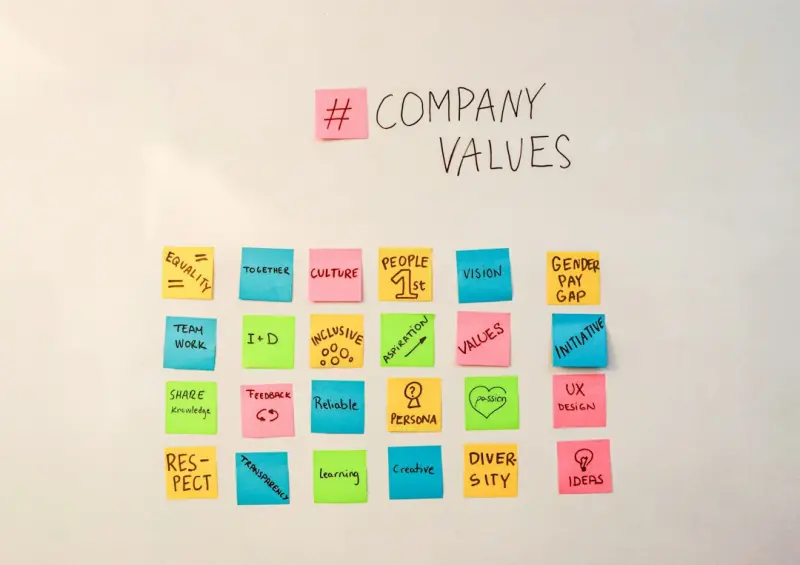
Co‑Creating Value: How Collaborative Communities Supercharge Engagement
Discover a fresh approach to customer engagement by building collaborative communities where users c... Read More

Adaptive Conversational AI: The Next Frontier in Customer Engagement
Learn why adaptive conversational AI, not just automation, is the key to creating personalized, proa... Read More
Top Posts
How Headless Architecture Unlocks Real‑Time Business Logic for B2B Sellers
Headless commerce goes beyond faster front‑ends; it empowers B2B merchants to run real‑time pricing, inventory, and compliance logic. Learn how an API‑fir...Read More

Neuroinclusive Design: Building Ecommerce Experiences That Work for Every Brain
Neuroinclusive design goes beyond accessibility, tailoring ecommerce interfaces to the diverse ways people think and process information. Discover actionable st...Read More
Escaping Vendor Lock‑In: A Playbook for Agile Hosted Ecommerce
Discover a step‑by‑step framework to keep your hosted ecommerce flexible and future‑proof, avoiding the hidden traps of vendor lock‑in while boosting sp...Read More

Serverless Commerce: Unlocking Agility and Scale for Modern Ecommerce Platforms
Serverless commerce abstracts away infrastructure, delivering instant elasticity, pay‑as‑you‑go pricing, and reduced operational overhead. This post expla...Read More
0 Comments
Post Comment
You will need to Login or Register to comment on this post!