
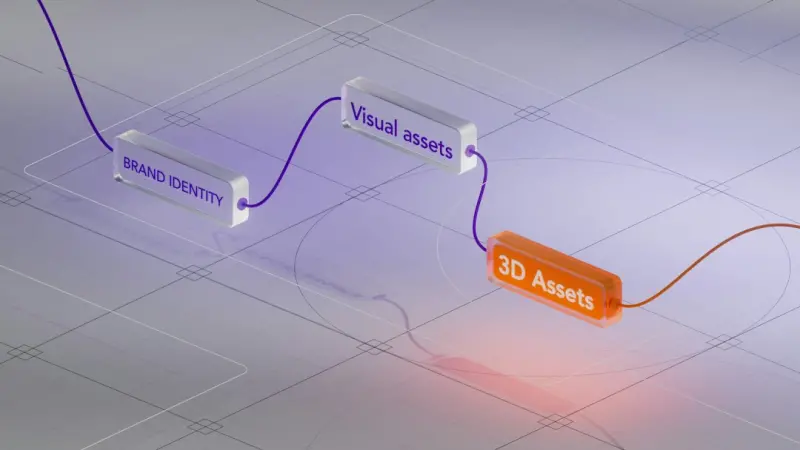
From Feedback to Fidelity: Building a Loop of Continuous Customer Delight
When I first walked into a bustling trade show in Mumbai, I was handed a glossy brochure that promised “instant gratification” through a fancy new platform. I skimmed the buzzwords, but what stuck with me wasn’t the tech—it was the handful of handwritten notes from real users tucked between the glossy pages. Those scribbles, raw and unfiltered, reminded me that behind every click, purchase, or support ticket is a human voice craving to be heard.
Fast‑forward to today, and the customer engagement landscape feels like a high‑speed train: data streams in from every touchpoint, AI models churn predictions, and dashboards flash metrics in real time. It’s tempting to chase the flashiest dashboards or the slickest automation, but the most sustainable growth still hinges on one timeless principle: listening. Not just hearing, but truly listening, interpreting, and acting on what customers tell us—whether they type it, click it, or even sigh it.
Why Traditional Surveys Are Dead (And What’s Alive)
Classic post‑purchase surveys have long been the go‑to method for capturing satisfaction scores. Yet their response rates are dwindling, and the insights often feel stale by the time they land on a product manager’s inbox. The problem isn’t the questionnaire itself; it’s the timing and context. A five‑star rating collected weeks after a purchase tells you little about the moment when the customer actually decided to buy—or abandoned the cart.
Enter micro‑feedback loops embedded directly into the workflow:
- In‑product nudges: A single‑click “Was this helpful?” prompt after a help article is read.
- Transactional sentiment checks: A smiley‑face scale after checkout, capturing immediate emotion.
- Passive behavioral cues: Heat‑maps of scroll depth, pause times, and mouse hover that infer interest without a single click.
These cues, collected in the moment, paint a richer picture of the customer journey than any end‑of‑cycle survey ever could.
Building the Feedback Engine: Three Pillars
To turn raw signals into actionable strategies, I rely on a three‑pillar architecture I like to call the Feedback Engine:
- Capture: Gather data at the point of friction or delight, using lightweight UI elements or invisible telemetry.
- Contextualize: Enrich the signal with user attributes, session history, and intent signals (e.g., search terms, product views).
- Act: Close the loop automatically (e.g., trigger a personalized email) or route to a human for nuanced response.
This engine isn’t a monolith; it’s a series of interoperable services that can be swapped out as technology evolves. Think of it as a personalization engine that feeds the same data back into the engagement cycle, creating a virtuous circle.
Human‑in‑the‑Loop: The Secret Sauce for Meaningful Interaction
Automation is a double‑edged sword. While bots can handle 80 % of routine inquiries, the remaining 20 % often involve nuance, empathy, or brand voice—a space where humans still reign supreme. My approach is to triage every incoming signal:
- Low‑effort queries → auto‑response with knowledge‑base links.
- Sentiment spikes (e.g., sudden frustration) → instant escalation to a live agent.
- Strategic insights (e.g., recurring feature request) → funnel to product roadmap meetings.
By blending AI‑driven routing with human judgment, you preserve the efficiency of automation while safeguarding the relational depth that keeps customers loyal.
From Insight to Innovation: Turning Feedback into Product Roadmaps
One of the most rewarding moments in my career was when a simple “I wish this report could be exported as CSV” note from a mid‑size B2B client sparked a new feature that increased our renewal rate by 12 % across the board. The lesson? Treat every piece of feedback as a potential product hypothesis.
Here’s a practical workflow I’ve institutionalized:
- Tagging: Every feedback entry receives a categorical tag (usability, feature request, bug, delight).
- Scoring: Apply a weighted score based on frequency, revenue impact, and strategic alignment.
- Prioritization: Feed the scores into a Kanban board that product, engineering, and CX teams share.
- Validation: Run a quick prototype or A/B test with a subset of users before full rollout.
This systematic approach ensures that the voice of the customer directly informs the roadmap, rather than being an after‑thought buried in a spreadsheet.
Leveraging Community as a Co‑Creation Hub
Communities aren’t just support forums; they’re incubators for co‑creation. By inviting power users to participate in beta programs, idea‑generation workshops, or even governance panels, you turn passive customers into active partners.
Our own interactive community experiences have evolved from simple Q&A boards to structured “innovation sprints,” where members earn badges for submitting viable concepts. The result is a pipeline of user‑driven ideas that already have a built‑in advocacy base.
Privacy‑First Listening: Trust as an Engagement Lever
In an era of data regulations and heightened privacy awareness, the way you collect and store feedback can either build or break trust. A few best practices have served us well:
- Transparent consent flows: Clearly explain why you’re asking for feedback and how it will be used.
- Data minimization: Capture only what you need; discard extraneous identifiers after analysis.
- Secure storage: Encrypt feedback at rest and in transit, and rotate access keys regularly.
- Opt‑out pathways: Provide an easy way for users to withdraw their data.
When customers see that their privacy is respected, they’re far more likely to share honest, high‑value feedback—fueling the engine we described earlier.
Metrics That Matter: Beyond NPS and CSAT
Traditional metrics like Net Promoter Score (NPS) or Customer Satisfaction (CSAT) are useful, but they’re snapshots. To gauge the health of a feedback‑driven engagement loop, I monitor:
- Feedback Velocity: Number of actionable signals collected per active user per week.
- Resolution Time: Average time from signal capture to closure (automated or human).
- Feature Adoption Rate: Percentage of users who engage with a newly released feature that originated from feedback.
- Engagement Retention: Cohort analysis showing how many users who gave feedback stay active versus those who don’t.
These leading indicators help you spot early friction points before they snowball into churn.
Case Study: A Mid‑Market SaaS That Turned Feedback Into Revenue
One of our clients—an HR‑tech platform serving 5,000 midsize enterprises—struggled with a 30 % churn rate. They had a traditional support ticket system but no structured feedback loop. By implementing a micro‑feedback overlay after every major interaction (e.g., after a payroll run), they captured 2,300 discrete sentiment points per month.
Key outcomes after six months:
- Churn reduced to 18 % due to proactive issue resolution.
- Upsell revenue grew 22 % as the product team released three high‑impact features directly sourced from user requests.
- Support tickets fell by 35 % because many friction points were resolved before escalating.
The takeaway? A well‑orchestrated feedback loop doesn’t just improve satisfaction—it directly impacts the top line.
Future‑Proofing Your Engagement Strategy
Looking ahead, the next wave of customer engagement will be shaped by two emerging trends:
- Ambient Listening: Sensors and IoT devices will generate continuous streams of contextual data (e.g., equipment usage patterns) that can be interpreted as implicit feedback.
- Generative AI Assistants: Rather than static FAQs, AI agents will synthesize user feedback to craft personalized, context‑aware recommendations on the fly.
Both trends reinforce the same principle we’ve championed: listen early, act fast, loop back continuously. By embedding this mindset into your culture, technology stack, and processes, you’ll create an engagement engine that not only survives but thrives amid rapid change.
In my experience, the most memorable customer moments aren’t the ones driven by flashy tech—they’re the ones where a user feels genuinely heard and sees their voice reflected in the product they love. That, ultimately, is the heart of lasting engagement.

Sanji Patel has dedicated 25 years to the SEO industry. As an expert SEO consultant for news publishers, he emphasizes providing both technical and editorial SEO services to news publishers worldwide. He frequently speaks at conferences and events globally and offers annual guest lectures at local universities.
Related Posts
The Power of Micro‑Moment Personalization in B2B Customer Engagement
Micro‑moments are the tiny intent‑driven pauses that shape B2B buyer journeys. This post explain... Read More
From Reactive to Proactive: Turning Predictive Signals into Real‑Time Customer Engagement
Discover a step‑by‑step approach to capture behavioral cues, build a real‑time trigger engine,... Read More
Turning Every Interaction into a Loyalty Engine
A practical guide that moves beyond onboarding checklists, showing how micro‑milestones, empathyâ€... Read More
Top Posts

Voice Commerce: The Quiet Revolution Shaping Modern Ecommerce Platforms
Voice commerce is emerging as a powerful, hands‑free channel for both B2C and B2B buyers. This post breaks down its business impact, technical stack, design b...Read More

Headless Commerce Unleashed: Real‑Time Personalization at Scale
Headless commerce decouples the UI from the backend, enabling real‑time data streams and AI‑driven recommendations that adapt instantly to shopper behaviorâ...Read More

Decentralized Commerce: How Blockchain Is Redefining E‑commerce Platforms
A deep dive into decentralized commerce, showing how blockchain technology, tokenized assets, and smart contracts can create more transparent, trustworthy, and ...Read More

Inclusive Design: Turning Accessibility into Ecommerce Growth
Accessibility isn’t a checkbox; it’s a growth engine. Discover how inclusive design improves conversions, SEO, and brand loyalty while keeping your ecommerc...Read More
0 Comments
Post Comment
You will need to Login or Register to comment on this post!