
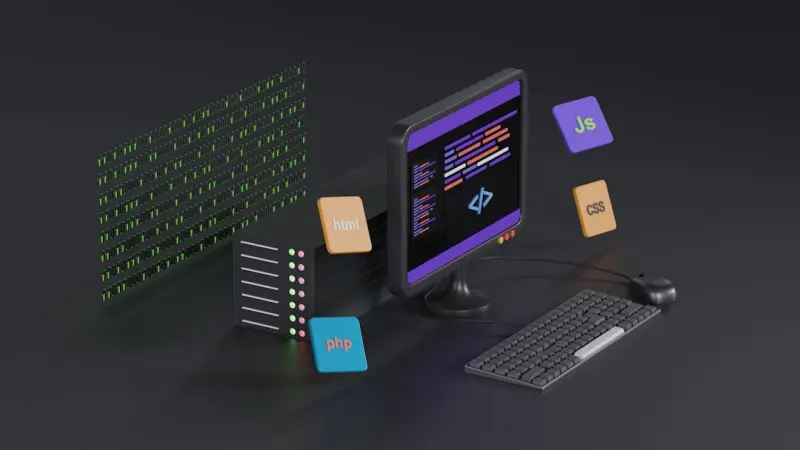
Why Headless Isn’t Just a Tech Trend—it’s the Backbone of True Omnichannel Personalization
When I first heard the term “headless” three years ago, I thought it was another buzzword destined for the next conference slide deck. Fast forward to today, and the reality is far more profound: headless architecture is the only viable path for brands that want to deliver a genuinely unified, personalized experience across every touchpoint—web, mobile, in‑store kiosks, voice assistants, and even emerging IoT surfaces.
Most of the discussions I see still hover around “headless as a growth engine” or “headless vs. monolith.” Those are valid conversations, but they miss the strategic core of why you should care. In the B2B world, the buying journey is fragmented, multi‑stage, and highly contextual. A C‑suite executive might start research on a laptop, request a product demo via email, and close the deal on a tablet during a conference. If each of those moments lives in a siloed system, the experience feels disjointed—and the data you collect is half‑baked at best.
In this post, I’ll walk you through three interconnected reasons why headless commerce is the secret sauce for omnichannel personalization, and how you can start building that capability without drowning in tech debt.
1. Decoupling Enables a “Single Source of Truth” for Customer Data
Traditional monolithic platforms lock your product catalog, pricing, inventory, and content into a single database schema. When you add a new channel, you’re forced to either duplicate that data or write brittle adapters that scrape the monolith. The result? Inconsistent product information, delayed price updates, and a nightmare for compliance.
Headless commerce flips that model on its head. By exposing every core capability through well‑defined APIs, you create a single source of truth that any front‑end—or even a third‑party system—can query in real time. Your web store, mobile app, and CRM can all pull the exact same product description, price, and availability without any manual sync.
What does this mean for personalization? Imagine a sales rep pulling a product page on a tablet during a live demo. Because the data is fetched on the fly from the headless backend, the price shown can reflect the latest contract‑specific discounts, the inventory level in the prospect’s region, and even a tailored cross‑sell recommendation based on their past interactions—all without the rep having to flip through spreadsheets.
To make this work, you need a robust API strategy. That’s where a pragmatic framework for selecting the right tech stack comes into play. Prioritize API‑first platforms, GraphQL for efficient data fetching, and event‑driven architectures that push updates to any subscribed channel instantly.
2. Modular Front‑Ends Let You Tailor Experiences at Scale
Once you’ve liberated your data, the next challenge is delivering it in a way that feels native to each channel. A mobile app demands lightweight JSON responses, a web storefront thrives on React or Vue components, while a voice assistant needs concise, conversational prompts.
This is where composability meets design systems. By building a library of reusable UI components—buttons, product cards, price tags—you can assemble unique experiences without reinventing the wheel each time. The same component library can be rendered in a React web app, a Flutter mobile app, or even a custom native iOS module. The result is consistency in brand language, faster rollout of new features, and a dramatically reduced UI debt.
If you’re still wrestling with inconsistent UI across channels, check out Design Systems: Building Scalable, Consistent Ecommerce Experiences. The principles there—atomic design, token‑driven theming, and versioned component libraries—translate perfectly to a headless environment.
3. Real‑Time Orchestration Powers Hyper‑Personalized Journeys
Data alone isn’t personalization; the magic happens when you act on it in real time. Headless commerce, combined with an orchestration layer (think serverless functions or a lightweight middleware), lets you inject contextual logic at the exact moment a customer interacts with any touchpoint.
- Dynamic Pricing Rules: Apply contract‑specific discounts the moment a prospect’s email domain is recognized, without any manual overrides.
- Geo‑Aware Inventory: Show only the stock that can ship from the nearest fulfillment center, reducing cart abandonment due to shipping delays.
- Contextual Content: Swap out product images or messaging based on the industry vertical of the visitor, using a simple API call to your CMS.
This is the real reason headless is more than a technical decision—it’s an experience decision. You can now build “micro‑journeys” that adapt on the fly, turning each interaction into a data point that fuels the next.
Putting It All Together: A Blueprint for B2B Brands
Below is a high‑level roadmap that has helped the teams I’ve coached transition from a monolith to a truly omnichannel, headless ecosystem.
- Audit Your Current Stack: Identify all touchpoints—web, mobile, email, sales tools, ERP—and map the data each one needs.
- Choose an API‑First Core: Look for platforms that expose product, pricing, inventory, and order APIs out of the box. If you’re building custom logic, favor GraphQL for its flexibility.
- Establish a Centralized Data Hub: Use a headless CMS for content, a Product Information Management (PIM) system for catalog data, and a Customer Data Platform (CDP) for behavioral signals. All should feed into the same API layer.
- Build a Component Library: Start with the most common UI patterns—search bar, product tile, checkout form. Document them in a design system and version them for future releases.
- Layer an Orchestration Service: Deploy serverless functions (AWS Lambda, Azure Functions) that listen to events like “cart updated” or “price lookup.” These functions can call external services (CRM, ERP) and enrich the response in real time.
- Iterate and Measure: Deploy a new channel (say, a progressive web app) using the same APIs and components. Track metrics like time‑to‑market, conversion lift, and error rates to prove ROI.
By treating your headless architecture as the spine of an omnichannel personalization strategy, you avoid the trap of building siloed “mobile apps” or “storefronts” that constantly drift apart. Instead, every channel becomes a first‑class citizen, pulling from the same data engine and applying the same business logic.
Common Pitfalls—and How to Dodge Them
Even with a solid plan, teams often stumble on the same obstacles:
- Over‑Engineering the API Layer: Resist the temptation to expose every possible data point from day one. Start with the core entities—products, carts, orders—and expand as new channels demand more.
- Neglecting Governance: Without a clear contract for API versioning and deprecation, you’ll end up with breaking changes that ripple across all front‑ends. Adopt a semantic versioning policy and a changelog that’s visible to all product teams.
- Ignoring Performance at Scale: Real‑time orchestration can add latency if not cached properly. Implement edge caching for static catalog data and use CDN‑served assets for your UI components.
- Failing to Align Teams: Headless demands tight collaboration between product, engineering, and design. Create cross‑functional squads that own a specific journey end‑to‑end, not just a layer of the stack.
Future‑Proofing Your Headless Strategy
The next wave of omnichannel experiences will likely involve new interaction models—augmented reality product visualizers, voice‑driven procurement, and AI‑generated shopping assistants. All of these will rely on a headless backbone that can serve data to any future surface without a massive rewrite.
Invest now in API governance, modular UI, and real‑time orchestration, and you’ll find yourself ready to plug in the next innovation as soon as it hits the market. Think of headless not as a project you complete, but as an evolving platform that grows alongside your business ambitions.
Ready to start the journey? The first step is to evaluate whether your current commerce core truly lives up to an API‑first promise. If you’re still wrestling with monolithic constraints, you’ll discover the friction—and the missed revenue—immediately.
Wrapping Up
Headless commerce is more than a technical architecture; it’s the enabler of seamless, data‑driven personalization across every channel a B2B buyer might touch. By decoupling data, modularizing front‑ends, and orchestrating experiences in real time, you turn a fragmented buying journey into a cohesive, high‑value relationship.
If you’re curious about how composable principles can accelerate this transition, dive into Composable Commerce: Building a Modular Future for Ecommerce Platforms. The concepts there dovetail perfectly with the headless roadmap outlined above and will give you concrete tactics for breaking down monolithic barriers.
In the end, the brands that win will be the ones that treat every interaction point as a data‑rich, personalized experience—not an afterthought. Headless is the scaffolding that lets you build that vision at scale, faster, and with far less technical debt.

Shawn DesRochers is a certified Microsoft technician and Programmer with 30+ year's experience. He has written many reviews on computer related products, software, and SEO related topics. When he's not writing reviews he can be found at one of the Ecommerce Directory which he is the CEO of.
Related Posts

Why Headless is the Secret Sauce for Real‑Time Personalization
Headless commerce separates the front‑end from the back‑end, allowing brands to deliver real‑t... Read More
Unlocking Hyper‑Personalized Omnichannel Experiences with Headless Commerce
A headless approach isn’t just a tech upgrade; it’s a catalyst for delivering truly personalized... Read More
Why Real‑Time Pricing is the Secret Weapon of Headless B2B Commerce
Learn how decoupling the front‑end from pricing logic lets B2B sellers deliver instant, contractâ€... Read More
Top Posts

Unlocking the Hidden SEO Gold in eCommerce Rich Snippets
Rich snippets turn ordinary product pages into interactive SERP features, driving higher impressions and click‑through rates. Learn how to implement schema, o...Read More

The Silent Architecture of Trust: How Visual Design Fuels Ecommerce Conversions
A deep dive into the visual strategies that silently build shopper trust—from color psychology and typography to cohesive design systems and post‑purchase e...Read More

Dark Mode vs Light Mode: Crafting Dual‑Theme Ecommerce Experiences that Convert
Learn why dual‑theme design is essential for modern shoppers and get a step‑by‑step guide to building a theme‑ready design system, optimizing imagery, t...Read More

Visual Search SEO: Turning Product Images into Organic Traffic Engines
Discover practical steps to audit, tag, and structure your visual assets for search engines, turning every product image into a powerful SEO asset that drives t...Read More
0 Comments
Post Comment
You will need to Login or Register to comment on this post!