
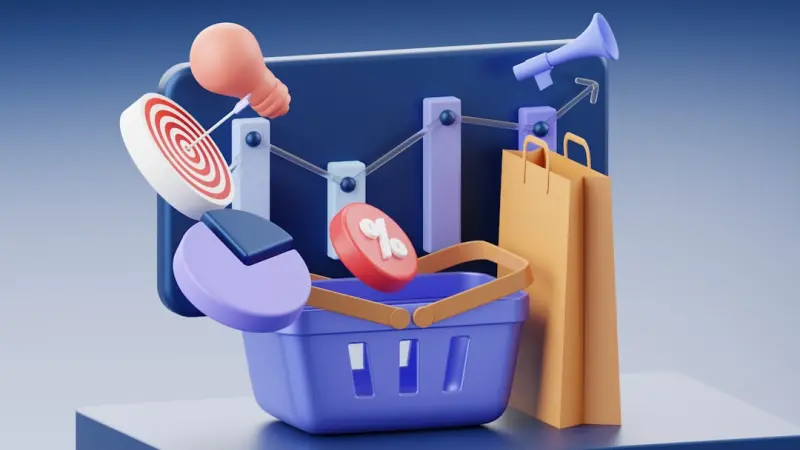
When the average shopper spends less than three seconds scrolling through a search results page, the old rule “click‑through rate is king” is losing its throne. Google’s answer? Zero‑click SERPs—those rich results that give users exactly what they need without a single click. For eCommerce brands, this shift isn’t a threat; it’s a massive, untapped traffic source. In this post I’ll break down why zero‑click search matters, how you can engineer featured snippets, product carousels, and Q&A blocks, and what metrics truly matter when clicks are optional.
Zero‑Click Search: The New Normal for Shoppers
Zero‑click experiences have exploded across the web. A study from Search Engine Journal shows that more than 60% of all Google searches now end on the results page itself. For product‑centric queries—think “best waterproof hiking boots” or “size chart for men’s jeans”—Google is pulling answers straight from brand sites, review platforms, and even your own structured data.
That means if your eCommerce store isn’t already showing up in those instant answers, you’re essentially invisible to a large slice of intent‑rich traffic. And unlike traditional SEO, where you fight for the top organic link, zero‑click optimization is about occupying the real estate where the answer lives.
The Three Zero‑Click Formats You Must Own
- Featured Snippets – The “answer box” that appears at the top of the SERP, often pulling a paragraph, list, or table directly from a page.
- Product Carousels – A scrollable strip of product images and prices, powered by Product Structured Data.
- FAQ & Q&A Panels – Collapsible question‑answer blocks that answer common buyer inquiries.
Each of these formats has its own set of technical and editorial requirements. Below is a playbook for conquering each one.
1. Crafting Featured Snippet‑Ready Content
Featured snippets love concise, well‑structured answers. The key is to anticipate the exact phrasing a shopper will use. Follow these steps:
- Identify high‑potential questions. Use tools like AnswerThePublic, SEMrush Topic Research, and the “People also ask” box to surface queries with a snippet‑eligible intent.
- Answer in the first 40‑50 words. Google typically extracts the first paragraph or a list. Keep it clear, direct, and free of fluff.
- Use bullet points or numbered lists. If the query asks for “steps” or “top 5,” a list format dramatically increases snippet odds.
- Back it up with a link. Place the answer on a page that also contains a deeper dive, so users can still explore if they want more detail.
For example, a query like “how to care for leather jackets” can be answered with a five‑step list on a dedicated “Leather Care Guide” page. That page should also include semantic product page SEO techniques to reinforce relevance across the catalog.
2. Dominating Product Carousels with Structured Data
Product carousels are the gold standard for eCommerce visibility on Google Shopping and organic SERPs alike. They rely heavily on Product schema markup. Here’s how to get it right:
- Complete every required field.
name,image,price,availability,sku, andbrandare non‑negotiable. - Include optional fields.
reviewRating,aggregateRating,offers(including sale price), andgtin13improve relevance and trigger richer displays. - Validate with Google’s Rich Results Test. A single error can prevent the entire product feed from rendering.
- Synchronize with your XML sitemap. Each product page with proper markup should be discoverable via the sitemap, ensuring Google crawls and indexes it promptly.
Don’t forget to pair your schema with a robust internal linking strategy. By linking related products, accessories, and “customers also bought” sections, you create a web of relevance that helps Google understand the hierarchy of your catalog.
3. Leveraging FAQ & Q&A Panels for Long‑Tail Authority
FAQ schema (FAQPage) is a quick win for answering the “how‑to” and “what‑is” questions that pepper product pages. Follow these best practices:
- Keep questions genuine. Pull them from actual customer support tickets, review comments, or site search logs.
- Answer with 1–2 sentences. Google prefers concise answers for FAQ blocks.
- Avoid duplication. If a question already appears as a featured snippet elsewhere, focus on a complementary angle.
- Update regularly. As new products launch or policies change, refresh the FAQ content to stay accurate.
For brands with massive catalogs, you can automate FAQ generation using AI‑assisted tools that ingest support chat logs and generate FAQPage JSON‑LD snippets at scale.
4. Internal Linking: The Unsung Hero of Zero‑Click SEO
Zero‑click formats don’t exist in a vacuum. Google’s algorithm evaluates the entire site architecture when deciding which page should earn a snippet or carousel slot. Here’s a checklist to future‑proof your internal linking:
- Cluster content by intent. Create pillar pages for broad topics (e.g., “Running Shoes”) and link down to specific product pages, size guides, and review posts.
- Use descriptive anchor text. Avoid generic “click here” links; instead, use keyword‑rich anchors like “waterproof hiking boots review.”
- Implement breadcrumb navigation. Breadcrumbs reinforce the hierarchical relationship between category and product pages, aiding both users and crawlers.
- Audit orphan pages. Run a crawl (e.g., Screaming Frog) and ensure every product has at least two inbound internal links.
When you combine a solid internal linking structure with edge‑driven personalization, you create a feedback loop: personalized content boosts engagement metrics, which in turn signal relevance to Google, increasing your chances of zero‑click placement.
5. Speed & Core Web Vitals: Zero‑Click Eligibility Checklist
Google explicitly states that “content that loads quickly is more likely to be featured.” For eCommerce sites, the stakes are high because product images and JavaScript‑heavy carts can drag performance. Focus on:
- LCP (Largest Contentful Paint) under 2.5 seconds. Optimize hero images with next‑gen formats (WebP, AVIF) and lazy‑load off‑screen assets.
- FID (First Input Delay) under 100 ms. Reduce JavaScript execution time; consider moving non‑essential scripts to the defer attribute.
- CLS (Cumulative Layout Shift) below 0.1. Reserve image dimensions and avoid dynamic content that pushes layout.
Performance isn’t just a ranking factor; it directly influences whether Google trusts your site enough to surface a featured snippet or product carousel.
6. Measuring Success: Beyond Click‑Through Rate
Traditional SEO metrics—organic traffic and CTR—still matter, but zero‑click success requires new KPIs:
- Impression Share in SERP Features. Google Search Console now reports “Top Stories,” “FAQ,” “Product,” and “Featured Snippet” impressions separately.
- Zero‑Click Conversions. Track micro‑conversions like “add to cart” or “newsletter signup” that happen after a user sees a snippet without clicking.
- Engagement Time from SERP. Using the
searchesevent in Google Analytics 4, you can gauge how long users stay on your site after landing from a rich result. - Brand Lift. Surveys and brand lift studies can quantify awareness gains even when no click occurs.
Set up custom dimensions in GA4 to capture the “SERP Feature Type” for each session, then create a funnel that measures how many zero‑click impressions lead to a purchase or a repeat visit.
7. A Real‑World Zero‑Click Playbook
Let’s walk through a hypothetical brand—EcoTrail Gear—that sells sustainable outdoor apparel. Here’s how they turned zero‑click into a growth engine:
- Audit existing content. They identified 150 “how‑to” questions from support tickets (e.g., “how to wash merino wool”).
- Deploy FAQ schema. Each question was added to the relevant product page as a
FAQPageblock. - Optimize product schema. They enriched 2,000 SKUs with
aggregateRatingandpriceValidUntilfields, ensuring up‑to‑date pricing in carousels. - Target featured snippets. For “best eco‑friendly hiking boots,” they created a “Top 5” list page, using a numbered list and bold headings.
- Boost internal linking. The “Top 5” page linked to each product, while each product page linked back to the list and a “Materials Guide.”
- Measure results. Within three months, EcoTrail saw a 28% increase in organic impressions, a 12% lift in zero‑click conversions, and a 4% bump in overall revenue.
The takeaway? Zero‑click isn’t a gimmick; it’s a systematic approach that intertwines technical SEO, content strategy, and performance optimization.
8. Future‑Proofing: Preparing for the Next SERP Evolution
Google’s roadmap hints at deeper integration of AI‑generated answers and even more immersive formats like visual snippets. To stay ahead:
- Invest in schema flexibility. Keep your JSON‑LD generation scripts modular so you can add new fields without re‑writing code.
- Monitor emerging SERP types. Stay subscribed to Google’s Search Central blog for announcements about “shopping ads in the carousel” or “AI‑generated product briefs.”
- Experiment with multimodal content. While we’re not revisiting video here, combining image alt text with schema can help you capture emerging “image‑only” zero‑click results.
In the end, winning zero‑click is about being the most useful, fastest, and most structured source of information for the query at hand. When you achieve that, Google rewards you with prime real estate—no click required.
If you’ve been focusing solely on traditional backlinks and keyword stuffing, it’s time to pivot. Zero‑click SEO is the next frontier for eCommerce brands that want to dominate the search landscape, capture high‑intent shoppers, and convert without ever asking them to click “Learn More.” Start with the tactics above, track the new metrics, and watch your visibility—and revenue—rise.

Shawn DesRochers is a certified Microsoft technician and Programmer with 30+ year's experience. He has written many reviews on computer related products, software, and SEO related topics. When he's not writing reviews he can be found at one of the Ecommerce Directory which he is the CEO of.
Related Posts
Turning Product Videos into SEO Powerhouses for eCommerce
Discover why product videos are now essential for eCommerce SEO, how to technically optimize them, a... Read More
Turn Customer Reviews into an SEO Supercharger for Your Online Store
User‑generated reviews and Q&A can transform a static catalog into a dynamic SEO asset. Learn how ... Read More
How Customer Reviews and UGC Can Supercharge Your eCommerce SEO
Customer reviews and other user‑generated content are powerful, often untapped SEO assets. This gu... Read More
Top Posts
Voice‑First Hosted Ecommerce: Turning Talk Into Transactions
Voice‑first commerce is the missing link for hosted ecommerce platforms. Learn how to integrate voice assistants, design conversational flows, and measure suc...Read More

Open‑Source Ecommerce: Mastering Global Localization
Open‑source ecommerce gives brands the modular flexibility to localize currency, tax, payment, and language, turning global expansion from a costly hurdle int...Read More
Micro‑Interactions: The Unsung Heroes of Modern Ecommerce Design
Micro‑interactions—tiny, purposeful animations—are reshaping ecommerce design. Learn why they matter, how to implement them efficiently, and the measurabl...Read More
Decoupling Commerce: How Headless Empowers Agile Growth
Headless commerce breaks the monolithic mold, giving brands the flexibility to innovate across channels, reduce operational overhead, and deliver hyper‑person...Read More
0 Comments
Post Comment
You will need to Login or Register to comment on this post!