
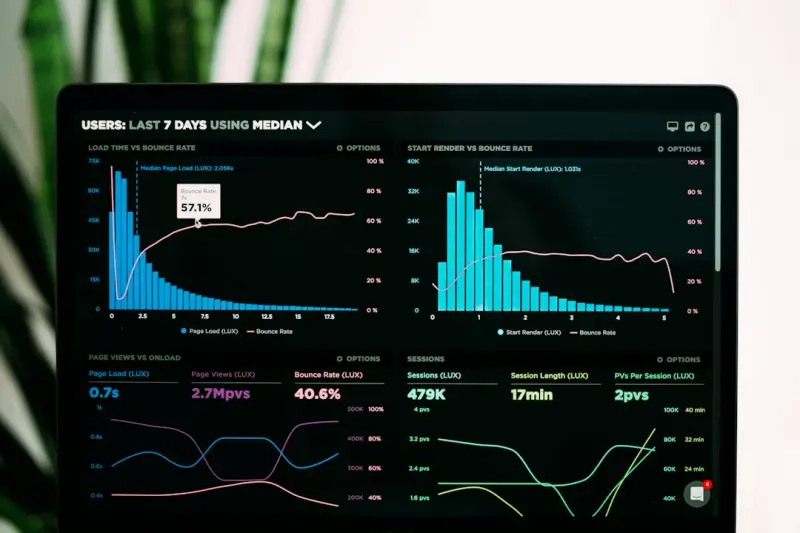
When I first stepped into the world of B2B SaaS, the mantra was always “drive adoption, reduce churn.” Over time I realized that those metrics are merely the downstream results of a far richer, more nuanced conversation: the emotional pulse of our customers. Today, I’m going to unpack why emotion‑driven, real‑time engagement is the hidden catalyst that turns a transactional relationship into a partnership that thrives.
Why Emotions Matter More Than You Think
Data tells us what customers do; emotions tell us why they do it. A prospect may click “download” on a whitepaper, but the lingering feeling—confidence, curiosity, even relief—determines whether they’ll move to a trial. In the B2B arena, where purchase cycles stretch weeks or months, those subtle emotional cues compound, influencing every touchpoint from the first LinkedIn message to the renewal call.
Research from the Harvard Business Review shows that emotionally connected customers are twice as valuable as those who are merely satisfied. In a SaaS context, that translates to higher expansion revenue, lower support tickets, and brand advocates who willingly shout your name at industry events.
Mapping the Emotional Journey
Traditional customer journey maps plot stages—Awareness, Consideration, Decision, Retention. To embed emotion, we overlay an affect layer that captures the dominant feeling at each stage:
- Awareness: Curiosity & Intrigue
- Consideration: Hope mixed with Skepticism
- Decision: Confidence or Anxiety
- Onboarding: Excitement or Overwhelm
- Retention: Trust, Loyalty, or Frustration
By visualizing these feelings, product and marketing teams can design interventions that not only answer functional questions but also soothe or amplify the underlying emotion.
Real‑Time Sentiment Signals: From Passive to Proactive
Static surveys are useful, but they’re akin to asking a passenger how the ride was after the car has already left the parking lot. To truly engage, we need to listen while the journey is happening. This is where real‑time sentiment detection comes in.
Modern SaaS platforms can ingest signals from:
- Live chat tone analysis (word choice, pacing, emojis)
- In‑app behavior patterns (rapid navigation vs. lingering on help docs)
- Voice sentiment from support calls (pitch, pauses)
- Social listening on brand mentions (positive/negative sentiment ratios)
By feeding these signals into a lightweight orchestration engine, we can trigger micro‑interventions—like a contextual tooltip, a personalized video message, or a quick‑access help article—exactly when a negative emotion spikes.
Micro‑Interactions as Emotional Amplifiers
Micro‑interactions are not just aesthetic flourishes; they’re emotional touchpoints. A subtle animation that celebrates a user’s first successful import can generate a burst of pride. Conversely, an unclear error state can seed frustration that lingers for weeks.
For inspiration on how to design these moments, check out the guide on Micro‑Interactions That Turn Browsers Into Buyers. The key takeaway is to pair each interaction with a clear emotional outcome—celebration, reassurance, or guidance.
Personalization at the Edge of Emotion
Personalization has often been reduced to “show related products” or “recommend content based on past behavior.” To make it truly emotional, we need to ask:
- What feeling does this user currently have?
- Which content or feature can amplify the positive emotion or alleviate the negative one?
Imagine a scenario where a prospect is exploring a complex analytics dashboard and the system detects signs of overwhelm (multiple clicks, hovering over the same tooltip). An instant, empathetic nudge—like a short, 30‑second walkthrough video—can convert anxiety into confidence, nudging the user closer to a purchase decision.
Human‑Centric AI: The Bridge Between Data and Feeling
Artificial intelligence often feels cold, but when trained on sentiment data it becomes a bridge to human empathy. By integrating emotion‑aware AI into your engagement stack, you can:
- Prioritize support tickets based on emotional urgency, ensuring angry customers get fast resolutions.
- Recommend content that matches a user’s current mood (e.g., “quick‑start guide” when they’re impatient).
- Generate dynamic email subject lines that mirror the recipient’s last interaction tone.
For a concrete example of AI in action, read the piece on Turning Support Into Sales: AI Chatbots on Hosted Ecommerce Platforms. While the focus there is on sales conversion, the underlying principle—leveraging AI to read and respond to emotion—applies equally to B2B SaaS engagement.
Designing for Emotional Resilience
Even with the best sentiment detection, mistakes happen. The real test is how gracefully your system recovers. Here are three resilience tactics:
- Apology Loops: When an error occurs, acknowledge the frustration immediately and offer a concrete remedy. A simple “Sorry for the hiccup—here’s a one‑click fix” can turn a negative spike into a trust‑building moment.
- Escalation Transparency: If a problem needs a human, give users a clear timeline and a real‑person photo. Transparency reduces anxiety.
- Follow‑Up Delight: After resolution, send a personalized thank‑you note that references the specific issue (“We’re glad the upload speed is now back to 2 GB/s”) and includes a small token—like an exclusive webinar invite.
Measuring Emotional ROI
Quantifying emotion may seem abstract, but it can be translated into tangible metrics:
- Emotion‑Adjusted Net Promoter Score (e‑NPS): Combine traditional NPS with sentiment tags to see how feelings influence loyalty.
- Sentiment‑Weighted Churn Rate: Track churn among users who exhibited high frustration signals vs. those with steady confidence scores.
- Engagement Lift from Micro‑Interventions: A/B test a contextual tooltip versus a generic message and measure session duration or feature adoption.
When you align these metrics with revenue targets, the business case for emotion‑driven engagement becomes crystal clear.
Building an Emotion‑First Culture
Technology alone won’t sustain emotional engagement; it requires a cultural shift:
- Empathy Workshops: Rotate staff through customer‑support calls to hear raw emotions first‑hand.
- Storytelling Sprints: Encourage product teams to craft user stories that focus on feelings (“As a data analyst, I feel overwhelmed when I can’t find the right filter”).
- Cross‑Functional Sentiment Reviews: Include sentiment dashboards in weekly stand‑ups, not just usage stats.
When every team member starts thinking in terms of “how will this make the customer feel?” the product experience becomes organically more engaging.
Future‑Proofing: The Rise of Emotion‑Driven Communities
Beyond one‑to‑one interactions, we’re seeing a surge in emotion‑driven community platforms. These are spaces where users share not just best practices but also the highs and lows of their journey. By curating community content around emotional milestones—like “My first successful integration” celebrations or “Post‑implementation anxiety” support threads—you turn the community into a living emotional ecosystem.
While many blogs have explored gamified loops, the next wave is less about points and more about authentic emotional connection. A community that validates feelings fosters advocacy that no leaderboard can replicate.
Getting Started: A 30‑Day Emotion‑Bootcamp
Here’s a practical roadmap you can roll out in a month:
- Week 1 – Sentiment Baseline: Deploy a lightweight sentiment analyzer on chat and in‑app events. Capture baseline emotion scores.
- Week 2 – Micro‑Interaction Audit: Review existing UI flows for emotional impact. Add celebratory animations where appropriate.
- Week 3 – AI‑Powered Nudges: Configure AI to trigger contextual help videos when frustration spikes.
- Week 4 – Measure & Iterate: Compare emotion‑adjusted NPS before and after. Refine the orchestration rules based on results.
By the end of the bootcamp, you’ll have a clear picture of where emotions help or hinder, and a set of proven tactics to amplify the positive and mitigate the negative.
Conclusion: Emotions Are the New Currency of Engagement
In a world saturated with data points, the differentiator is no longer “who clicks what” but “how they feel while they click.” By embedding emotion detection, real‑time micro‑interventions, and a culture of empathy into your SaaS stack, you create a virtuous loop: happier customers generate more usage, which fuels richer data, which in turn powers even smarter emotional experiences.
It’s time to move beyond functional funnels and start designing for the heart of the customer journey. When you do, you’ll discover that the most powerful growth engine is not a new feature—it’s the feeling of being understood.

Sanji Patel has dedicated 25 years to the SEO industry. As an expert SEO consultant for news publishers, he emphasizes providing both technical and editorial SEO services to news publishers worldwide. He frequently speaks at conferences and events globally and offers annual guest lectures at local universities.
Related Posts
Micro‑Feedback: Redefining Customer Engagement in SaaS
Micro‑feedback captures instant, contextual sentiment after each user action, turning support tick... Read More

Gamify Your B2B Relationships: Turning Transactions into Experiences
Gamification can turn routine B2B interactions into compelling experiences. This post explores why g... Read More

From Passive Users to Active Advocates: Crafting a Community‑Driven Engagement Engine
A step‑by‑step guide shows how embedding a community hub, integrating design systems, and amplif... Read More
Top Posts
Why Hosted Commerce Is the Agile Engine Modern Brands Need
Hosted commerce is reshaping how brands scale, innovate, and stay secure. This post explores composable architectures, AI‑driven ops, cost predictability, and...Read More

From Catalogs to Communities: Building a B2B Marketplace That Scales
A marketplace‑first approach turns static B2B catalogs into vibrant buying communities, boosting supplier reach, buyer efficiency, and data‑driven insightsâ...Read More

Predictive Demand Engines: The New Backbone of B2B Ecommerce
Predictive demand engines transform B2B ecommerce from reactive order fulfillment to proactive, data‑driven growth, cutting stock‑outs, lowering inventory c...Read More

Co‑Creating Value: How Joint Innovation Sessions Supercharge Customer Engagement
Co‑creation workshops invite customers into product development, turning them into partners. Learn the framework, metrics, and cultural shifts needed to turn ...Read More
0 Comments
Post Comment
You will need to Login or Register to comment on this post!