

Why Visual Search Is the Next SEO Frontier for Online Retailers
When shoppers pick up their phones and snap a picture of a product they want, they expect the internet to instantly understand that image and serve up the exact item—or something even better. That expectation is reshaping the way we think about search engine optimization for eCommerce. No longer is keyword‑centric content enough; today’s SERPs are increasingly visual, and the algorithms behind Google Lens, Bing Visual Search, and emerging platform‑specific tools are getting smarter by the day.
From “What’s That?” to “Where Can I Buy It?”
The shift is simple to describe but profound in impact: a user sees a pair of shoes on a friend’s Instagram story, snaps a screenshot, and asks a visual search engine to find them. The engine parses the image, extracts attributes—style, color, material—and returns a curated list of products that match or closely resemble the query. If your catalog isn’t optimized for that visual pipeline, you’re invisible to a whole segment of high‑intent traffic.
Traditional SEO has always been about matching text signals to user intent. Visual search flips that script by turning pixels into searchable data points. For eCommerce brands, the challenge (and opportunity) lies in translating product imagery into rich, indexable signals that search engines can understand and rank.
Building a Visual‑First Product Data Layer
The first step is treating every product image as a data asset. That means assigning structured metadata—alt text, file names, and, most importantly, schema.org markup—to each visual element. While many merchants already use Semantic SEO Blueprint: Turning Product Data into Search Gold to enhance textual data, the same principles apply to visual assets.
- Descriptive filenames: Instead of
IMG_1234.jpg, usewomen‑leather‑ankle‑boot‑black‑size‑8.jpg. Search crawlers read those strings and associate them with relevant queries. - Rich alt attributes: Go beyond “shoe” and describe key visual traits:
alt="black leather ankle boot with pointed toe, low heel, and side zip". This not only aids accessibility but also feeds visual search algorithms. - Schema.org ImageObject: Embed JSON‑LD that includes
contentUrl,caption, andrepresentativeOfPage. The more context you give, the better the engine can match your product to a visual query.
Optimizing Image Quality and Formats
Search engines reward images that load quickly and look crisp on any device. Adopt modern formats like WebP or AVIF to reduce file size without sacrificing detail. Use responsive image tags (<picture> and srcset) so the same image can serve a thumbnail on mobile and a high‑resolution version on desktop, ensuring the visual signal is consistent across contexts.
Don’t forget image compression tools that preserve EXIF data. Some visual search engines still reference embedded metadata (camera type, focal length) to gauge image authenticity—a subtle but potentially valuable signal for brand‑level trust.
Creating “Vision‑Friendly” Product Pages
Beyond the image itself, the surrounding page must be structured for visual relevance. This includes:
- Consistent visual hierarchy: Position the primary product image above the fold, accompanied by close‑ups and lifestyle shots that illustrate usage. This hierarchy tells algorithms which visuals are most representative.
- Textual reinforcement: Pair images with concise, keyword‑rich captions that echo the visual attributes. For example, “Hand‑stitched navy denim jacket with brass buttons” reinforces the visual cues.
- Video integration: Short, looped product videos (e.g., 5‑second clips) are increasingly indexed as visual assets. Host them on your own domain rather than relying solely on YouTube to maintain SEO equity.
Leverage User‑Generated Visual Content
Customers are a goldmine for visual data. When shoppers upload photos of your product in real‑life settings, those images carry authentic context that search engines love. Encourage reviews that include images, and make sure to harness that user‑generated content for SEO gains. Tag each upload with product IDs and auto‑generate alt text using AI‑driven image recognition to keep the data pipeline clean.
Even better, turn the best user photos into featured gallery items on your product pages. Not only does this boost engagement, but it also expands the pool of visual signals that can be matched against a visual search query.
Harness AI to Tag and Describe Images at Scale
Manually curating alt text and schema for thousands of SKUs is impractical. Modern AI services can automatically generate descriptive tags, detect colors, materials, and even style categories. Integrate these APIs into your product ingestion workflow so every new image is SEO‑ready out of the gate.
When you pair AI‑generated descriptors with a human review step, you maintain brand voice while achieving scale. The result is a living, evolving visual taxonomy that keeps pace with seasonal trends and new product releases.
Testing Visual Search Performance
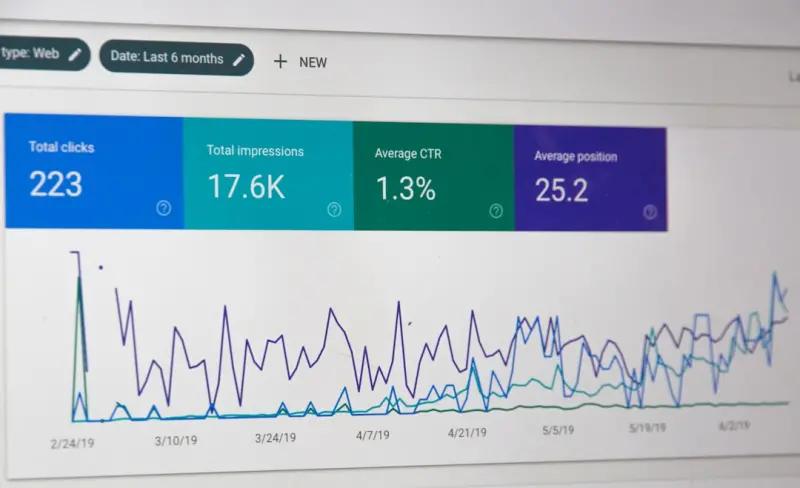
Traditional SEO tools like Google Search Console give limited insight into visual search traffic. Instead, use the following tactics to gauge performance:
- Google Lens traffic reports: In the Search Console “Performance” tab, filter by “Image” and “Lens” to see impressions and clicks driven by visual queries.
- Platform‑specific analytics: Pinterest Lens and Instagram Shopping provide dashboards that reveal how many users discovered your products through image search.
- Heatmaps on image galleries: Tools like Hotjar can show where users click within a product image carousel, indicating which visuals attract the most attention.
Regularly audit these data points to identify high‑performing visual assets and replicate their success across the catalog.
Cross‑Channel Consistency: From Search to Social
Visual search doesn’t exist in a vacuum. The same images that power Google Lens also fuel discovery on Pinterest, TikTok, and even emerging AR shopping experiences. Ensure that the metadata you embed for SEO is also present in Open Graph tags and Twitter Cards so that social platforms can index the same visual signals.
This alignment creates a virtuous cycle: a product discovered via Pinterest visual search can later appear in Google Lens results, reinforcing brand visibility across ecosystems.
Future‑Proofing with Structured Visual Data
As voice assistants become more visual—think Alexa devices with screens and Google Nest Hub—search queries will increasingly blend spoken intent with visual context. Preparing your catalog now by embedding rich visual schema will position you to capture that hybrid traffic when it arrives.
Moreover, the rise of augmented reality (AR) shopping will demand that product images be 3D‑ready and annotated with schema.org/VideoObject or schema.org/3DModel. Investing in these standards today future‑proofs your SEO strategy against the next wave of immersive commerce.
Putting It All Together: A Visual SEO Checklist
- Rename all product images with descriptive, keyword‑rich filenames.
- Write detailed alt text that captures color, material, style, and key attributes.
- Implement
ImageObjectJSON‑LD for every primary product image. - Adopt modern image formats (WebP/AVIF) and responsive
srcsetmarkup. - Structure product pages with a clear visual hierarchy and supportive captions.
- Encourage and curate user‑generated photos; auto‑tag them with AI.
- Integrate AI image recognition to scale metadata generation.
- Monitor visual search performance via Google Lens reports and platform dashboards.
- Synchronize Open Graph and Twitter Card metadata for social visual discovery.
- Stay ahead by embedding AR‑ready schema as the technology matures.
By treating images as first‑class SEO assets, you unlock a new source of high‑intent traffic that bypasses traditional text‑based competition. The result? More qualified visitors, higher conversion rates, and a brand that feels intuitive to discover—whether a shopper types, snaps, or speaks their way to your storefront.
Final Thoughts: Visual Search Is Not a Gimmick
When you see a shopper’s eye light up after a visual match, you know you’ve hit the sweet spot of relevance. The technology is still evolving, but the fundamentals—clear, descriptive metadata, high‑quality imagery, and a seamless user experience—are timeless. Start embedding those practices today, and you’ll be ready for the next wave of visual and immersive search that’s already on the horizon.

Brad Hays is a freelance writer known for his versatile skill set and ability to craft compelling content across a wide range of industries.
Related Posts
Semantic Product Page SEO: Turning Data Into Rankings
Discover a step‑by‑step approach to semantic product page SEO, from structured data to content c... Read More

Structured Data: The Hidden SEO Engine for eCommerce
Structured data transforms product pages into rich search results, driving higher click‑through ra... Read More

SEO for the Sensory Shopper: Voice, Visual, and Structured Data Strategies
Learn practical tactics to boost eCommerce visibility using voice assistants, image‑based discover... Read More
Top Posts

Designing Trust: Visual Strategies to Cut Cart Abandonment
A deep dive into visual trust signals, UI design patterns, and narrative techniques that help ecommerce sites turn hesitant shoppers into confident buyers....Read More

Edge‑Driven Personalization: Turning the CDN into Your Store’s Brain
Discover why moving personalization logic to the CDN edge can cut latency, improve conversion rates, and future‑proof your ecommerce store, with a step‑byâ€...Read More

The Silent Engine: Predictive Engagement That Turns Data Into Dialogue
Learn how to transform raw usage data into real‑time, proactive conversations with customers, using predictive models, AI tools, and smart automation to drive...Read More

Why Open‑Source Ecommerce Is the Secret Weapon for Niche Market Domination
Open‑source ecommerce gives niche brands the flexibility, data ownership, and community‑driven extensions needed to dominate specialized markets, turning a ...Read More
0 Comments
Post Comment
You will need to Login or Register to comment on this post!