

Why Guesswork Is No Longer Enough
In the B2B SaaS world, “customer engagement” has become a buzzword that’s been stretched to every corner of product roadmaps, marketing decks, and support playbooks. Yet most organizations still treat engagement as a reactive after‑the‑fact activity—sending a newsletter when churn spikes or rolling out a new feature after a flood of tickets. The real competitive advantage lies in flipping that model on its head: using data to anticipate a customer’s next move and initiating the conversation before the need even surfaces.
The Predictive Shift: From Reactive to Proactive Dialogue
Predictive engagement isn’t about crystal‑ball magic; it’s about harnessing the same data streams you already collect—usage metrics, support tickets, renewal histories, even subtle UI micro‑behaviors—and feeding them into models that surface intent in real time. When a user’s adoption curve flattens, when a feature that usually sees a 30‑second interaction suddenly lingers for two minutes, or when a support article is repeatedly consulted, the system flags a “potential friction” event and automatically surfaces the right human or digital touchpoint.
Data Foundations: The Bedrock of Anticipation
Before you can build a predictive engagement engine, you need three data pillars:
- Behavioral telemetry: granular logs of every click, API call, and session duration.
- Outcome signals: renewals, expansion purchases, NPS scores, and churn indicators.
- Contextual layers: company size, industry, contract terms, and even macro‑economic factors that influence buying cycles.
When these datasets are unified in a data lake or a well‑governed warehouse, you create a single source of truth that can feed both real‑time dashboards and batch‑trained machine‑learning models.
AI‑Powered Engines That Speak Your Customer’s Language
There’s a growing toolbox for turning raw signals into actionable insights:
- Propensity models: predict the likelihood of churn, upsell, or feature adoption.
- Next‑best‑action recommenders: surface the most relevant piece of content, a live demo, or a pricing offer at the exact moment it matters.
- Sentiment‑aware chatbots: blend natural language processing with usage data to provide contextual answers that feel personal.
Take for example the rise of AI‑powered negotiation tools. While traditionally reserved for pricing discussions, these models now surface suggested contract terms based on a prospect’s historical usage patterns, making the negotiation phase a data‑driven dialogue rather than a guesswork exercise.
Real‑Time Triggers: The Engine That Fires the Conversation
Predictive engagement lives in the milliseconds between a data point and the human response. Here’s how a typical trigger workflow looks:
- Signal detection: A user opens a dashboard feature they’ve never used before and spends unusually long on a settings page.
- Score calculation: The system assigns a “confusion” score based on historical patterns of similar behavior.
- Channel selection: If the score exceeds a threshold, a context‑aware in‑app message appears; if the user is on a mobile device, a push notification is sent; if the score is critical, a CSM is alerted.
- Personalized content: The message references the exact feature, offers a short tutorial video, and includes a link to schedule a 15‑minute walkthrough.
- Feedback loop: The user’s response (click, ignore, or schedule) feeds back into the model, continuously improving accuracy.
This loop turns “data” into “dialogue” and ultimately into “action”.
Case Study Snapshot: Turning Silence Into Upsell
One mid‑market SaaS provider noticed a dip in usage among a segment of enterprise accounts six months into their contracts. By feeding usage telemetry into a churn propensity model, the system flagged these accounts as “at‑risk”. Instead of a generic renewal email, the CSM received a dashboard showing the exact features that were under‑utilized and a set of tailored playbooks. Within a quarter, 42% of the flagged accounts not only renewed but also expanded to a higher tier—an outcome directly linked to the predictive engagement workflow.
Implementation Blueprint: From Idea to Production
Getting a predictive engagement engine off the ground doesn’t have to be a six‑month, multi‑team marathon. Follow this phased approach:
- Phase 1 – Data Hygiene: Consolidate logs, normalize timestamps, and tag events with business context.
- Phase 2 – Baseline Modeling: Deploy simple logistic regression models to predict churn and adoption. Validate with historical data.
- Phase 3 – Real‑Time Pipeline: Use a stream processing platform (e.g., Kafka, Pulsar) to evaluate events as they happen.
- Phase 4 – Orchestration Layer: Build a rule engine that translates model scores into channel‑specific actions.
- Phase 5 – Human‑in‑the‑Loop: Integrate with your CRM and support tools so that CSMs can intervene when high‑value triggers fire.
- Phase 6 – Continuous Learning: Set up A/B tests to compare outcomes of different messaging strategies, feeding results back into model retraining.
Measuring Success: The KPI Dashboard
Predictive engagement is only as good as the metrics you track. Focus on a blend of leading and lagging indicators:
| KPI | Why It Matters |
|---|---|
| Engagement Lift Rate | Percentage increase in feature usage after a predictive nudge. |
| First‑Contact Resolution (FCR) Improvement | Shows how proactive outreach reduces support tickets. |
| Expansion Revenue Ratio | Revenue generated from upsells tied to predictive triggers. |
| Churn Prediction Accuracy | Precision/recall of the model’s at‑risk flagging. |
When you see a consistent rise in these numbers, you’ve turned data into a “silent engine” that drives real revenue.
Common Pitfalls and How to Avoid Them
Even the smartest teams stumble when they rush into predictive engagement. Here are the top three traps:
- Over‑automation: Letting bots handle every interaction can feel impersonal. Keep a “human escalation” path for high‑value or complex scenarios.
- Data Silos: If usage data lives in a product analytics tool while renewal data lives in a separate CRM, your models will be blind. Invest in data integration early.
- Static Models: Business environments shift—new features, pricing changes, market dynamics. Schedule regular retraining and monitor drift.
The Future: Conversational AI Meets Predictive Insight
We’re already seeing a convergence of two powerful trends: voice‑first commerce experiences and predictive analytics. Imagine a sales rep’s dashboard that not only tells them “Customer X is likely to churn” but also whispers, “Ask about Feature Y, which solved a similar pain point for a peer company last quarter.” When conversational AI can surface those insights in natural language, the barrier between data and decision disappears.
Getting Started Today
To dip your toes into predictive engagement, start small. Pick a single high‑impact metric—say, the drop‑off after a trial onboarding tutorial—and build a simple alert that notifies a CSM when a user lingers beyond a threshold. Measure the impact, iterate, and gradually expand the model’s scope.
Remember, the goal isn’t to replace human relationships with algorithms; it’s to empower your team with the right context at the right moment, turning every data point into a conversation starter that feels tailor‑made for each customer.

Brad Hays is a freelance writer known for his versatile skill set and ability to craft compelling content across a wide range of industries.
Related Posts

Real‑Time Sentiment Intelligence: The Next Frontier in B2B Customer Engagement
Learn why integrating real‑time sentiment intelligence into your SaaS platform unlocks deeper enga... Read More
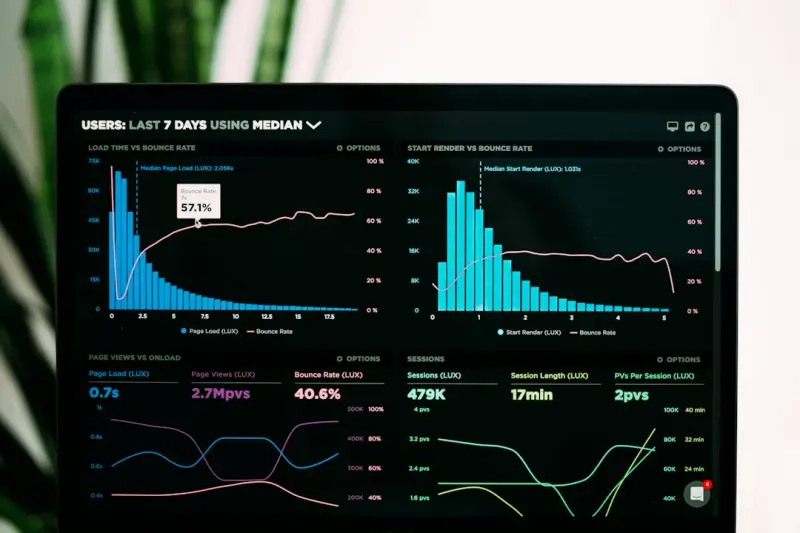
Emotion‑Driven Real‑Time Engagement: Turning Data into Delight
Discover how to map emotions across the customer journey, leverage AI for sentiment‑aware nudges, ... Read More

Turning Customers into Co‑Creators: A New Playbook for B2B Engagement
Discover a fresh approach to customer engagement by inviting B2B clients to co‑create product feat... Read More
Top Posts
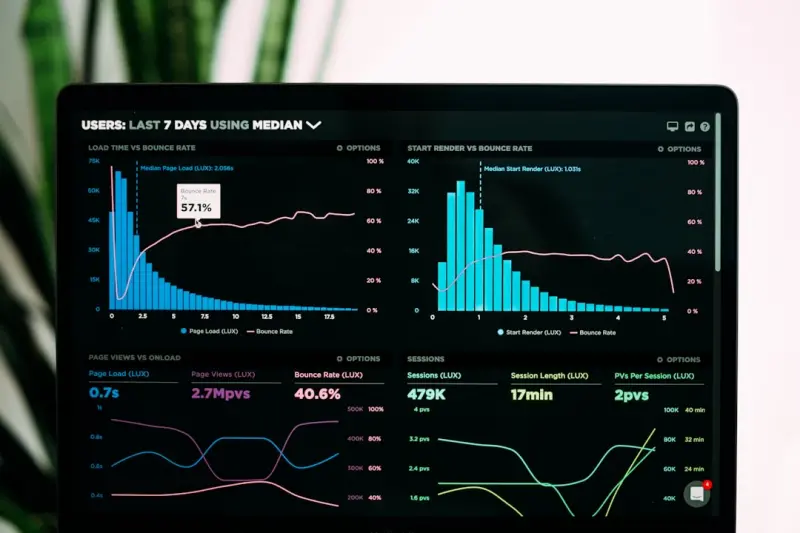
Why Performance Budgets Are the Unsung Heroes of Ecommerce Development
Performance budgets set clear limits on page weight, requests, and load times, ensuring ecommerce sites stay fast and conversion‑focused. Learn practical step...Read More

The AI‑Powered Pricing Playbook for Hosted Ecommerce
Dynamic pricing is the new battleground for hosted ecommerce platforms. This post outlines a practical, privacy‑first AI playbook that balances profitability ...Read More

Turning Customer Interactions into Loyalty Loops: A Playbook for B2B SaaS
This post outlines a modern engagement framework for B2B SaaS, focusing on loyalty loops, micro‑moments, low‑code experimentation, and AI‑powered personal...Read More

The Intelligent Procurement Portal: Turning Data Into Buying Confidence
Buyers are tired of static catalogs and manual approvals. This post explores how an intelligent procurement portal—powered by integrated analytics, risk scori...Read More
0 Comments
Post Comment
You will need to Login or Register to comment on this post!