
Why Engagement Should Feel Like a Habit, Not a Campaign
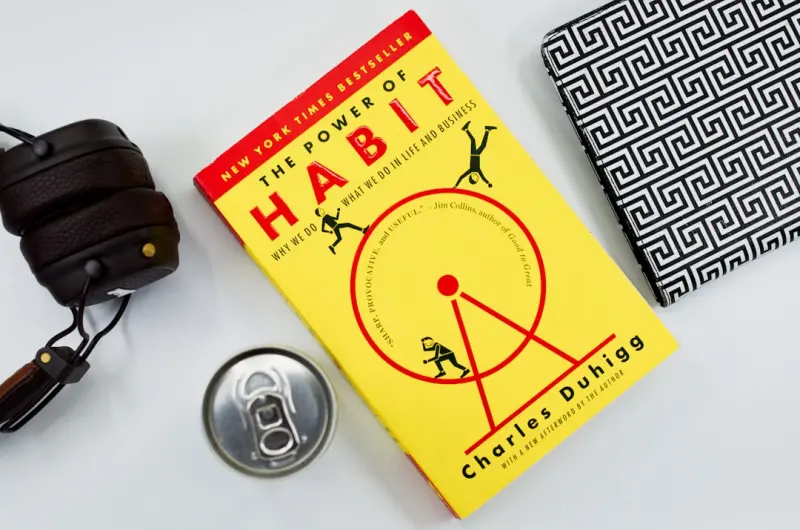
When most marketers talk about customer engagement, the conversation instantly turns to “campaigns,” “touch‑points,” and “conversion rates.” Those are all valid metrics, but they miss the deeper truth: lasting engagement behaves more like a habit than a one‑off event. If you can embed your brand into the daily routines of your users, the relationship becomes self‑reinforcing, almost invisible to the conscious mind, and wildly powerful for long‑term growth.
From Transactional to Relational: Redefining the Engagement Funnel
Traditional funnels are linear: awareness → consideration → purchase → retention. In practice, modern buyers bounce, loop, and create their own paths. The relational funnel flips that script. Instead of pushing users down a predefined track, you invite them to co‑navigate a shared experience where each interaction is a small, rewarding loop.
- Micro‑rewards after a quick action (e.g., a badge for reading a blog post).
- Social proof loops where users see peers’ achievements and feel compelled to join.
- Feedback‑driven refinement that instantly adapts the next step based on real‑time sentiment.
These loops keep the brand in the periphery of the user’s day, much like checking a weather app or scrolling a news feed.
Designing Habit‑Forming Touchpoints
Building habit isn’t magic; it’s a science rooted in psychology. The human‑centric design principles that make experiences feel intuitive also lay the groundwork for habit formation. The three pillars are:
- Trigger: An external cue (push notification, email reminder) or internal cue (a need that your product solves).
- Action: The simplest possible step for the user to complete—a quick survey, a one‑click share, or a swipe.
- Reward: Immediate, variable, and meaningful—think surprise discounts, exclusive content, or community recognition.
When these elements repeat consistently, the brain begins to anticipate the loop, turning the interaction into a habit.
Gamification: The Engine Behind Everyday Interaction
Gamification is more than points and leaderboards; it’s about framing everyday tasks as playful challenges. Here’s how to embed game mechanics without feeling gimmicky:
- Progression Paths: Visual progress bars for onboarding steps or long‑term goals (e.g., “Reach Gold Tier by completing 5 webinars”).
- Social Competition: Private leaderboards among team members or public rankings for community members.
- Surprise & Delight: Randomly awarded perks that keep the reward system variable and exciting.
When done right, gamification transforms a mundane check‑in into a moment people look forward to.
Real‑Time Community Feedback Loops
One of the biggest missed opportunities in engagement strategies is the delay between user action and brand response. Waiting days for a support ticket to be resolved erodes trust. By integrating AI‑driven sentiment analysis, you can surface emotional cues instantly and adjust the experience on the fly.
Imagine a live chat that not only answers questions but also detects frustration, then offers a “quick‑solve” video tutorial or escalates to a human agent within seconds. The user feels heard, and the brand gains a data point to refine its messaging.
Community Hubs: Turning Customers into a Living Knowledge Base
Instead of positioning your support team as the sole source of truth, empower your customers to help each other. A well‑moderated community hub serves three purposes:
- Social Validation: Users see peers solving similar problems, reducing perceived risk.
- Content Generation: User‑generated answers become SEO‑friendly assets that attract new prospects.
- Brand Advocacy: Active contributors organically become ambassadors.
To keep the hub lively, surface the most helpful contributions with badges and rotate spotlight features weekly. This creates a virtuous cycle where contributions lead to recognition, which fuels more contributions.
Data Ownership and Transparency: Building Trust at Scale
Modern buyers are increasingly savvy about data privacy. When you give them control over their information and clearly explain how it fuels their personalized experience, you strengthen the emotional contract.
Our open‑data stewardship framework shows how brands can let customers view, export, and even delete their interaction histories with a single click. The result? Higher opt‑in rates for newsletters, deeper personalization, and a reputation for integrity.
Micro‑Moments Reimagined: The Tiny Interactions That Build Momentum
While many articles discuss “micro‑moments” as isolated touchpoints, think of them as the micro‑gears that keep the engagement engine turning. Each micro‑moment should:
- Be contextual: Appear when the user is naturally primed (e.g., a tip after a purchase confirmation).
- Offer instant value: A one‑click shortcut, a relevant article, or a quick poll.
- Feed back into the larger loop: The data captured refines future triggers and rewards.
When you stitch these moments together, you create a seamless experience that feels less like a series of sales pitches and more like a trusted companion.
Personalization Without the “Personal” Feel
There’s a fine line between “personalized for me” and “creepy.” To stay on the right side, let the user set the personalization depth. Offer toggles such as “Show me only product updates” vs. “Show me community stories.” When users control the algorithm, they feel empowered rather than surveilled.
Behind the scenes, you can still run sophisticated recommendation engines, but the output is filtered through the user’s explicit preferences. This hybrid approach maximizes relevance while preserving privacy.
Measuring Habitual Engagement: Metrics That Matter
Traditional KPI stacks—open rates, click‑throughs, churn—don’t capture the nuance of habit formation. Consider adding these forward‑looking metrics:
- Engagement Frequency: Average number of brand interactions per user per week.
- Loop Completion Rate: Percentage of users who finish a full trigger‑action‑reward cycle.
- Community Contribution Ratio: Ratio of user‑generated content to brand‑generated content.
- Sentiment Drift: Change in overall sentiment scores over time, indicating mood shifts.
These data points give you a clearer view of whether you’re building a habit or just a fleeting spark.
Putting It All Together: A Blueprint for Habit‑Based Engagement
Below is a step‑by‑step playbook to transition from campaign‑centric to habit‑centric engagement:
- Map Daily Touchpoints: Identify moments when users naturally interact with your brand (e.g., login, order confirmation).
- Define Tiny Triggers: Pair each touchpoint with a low‑friction cue—push notification, in‑app banner, or email.
- Design Simple Actions: Ensure the next step can be completed in under 30 seconds.
- Attach Variable Rewards: Mix guaranteed benefits (e.g., points) with surprise perks (e.g., exclusive webinar invite).
- Integrate Real‑Time Sentiment: Use AI to detect tone and adjust the reward or next trigger instantly.
- Launch a Community Hub: Seed it with brand content, then empower power users to lead discussions.
- Offer Data Transparency: Build a dashboard where users see how their data improves their experience.
- Iterate on Metrics: Track the habit metrics above, run A/B tests on triggers, and refine loops weekly.
By following this roadmap, you shift from “marketing at the customer” to “co‑creating a daily rhythm together.” The result is a resilient, self‑sustaining engagement engine that grows with your audience.
Final Thoughts: Make Engagement a Two‑Way Street
Habits thrive on reciprocity. If users feel they give as much value as they receive, the relationship deepens. Every badge, every community post, every personalized tip should feel like a small gift, not an obligation.
When you design with the mindset “What can I do for you today?” rather than “How can I sell to you today?”, the brand becomes part of the user’s everyday narrative. That is the ultimate form of customer engagement—quiet, consistent, and habit‑forming.

Shawn DesRochers is a certified Microsoft technician and Programmer with 30+ year's experience. He has written many reviews on computer related products, software, and SEO related topics. When he's not writing reviews he can be found at one of the Ecommerce Directory which he is the CEO of.
Related Posts

From Passive Users to Active Advocates: Crafting a Community‑Driven Engagement Engine
A step‑by‑step guide shows how embedding a community hub, integrating design systems, and amplif... Read More

The Narrative Engine: Turning B2B Stories into Meaningful Engagement
A compelling narrative turns transactions into relationships. Discover how to build a narrative engi... Read More

Adaptive Conversational AI: The Next Frontier in Customer Engagement
Learn why adaptive conversational AI, not just automation, is the key to creating personalized, proa... Read More
Top Posts

Zero‑Trust Security Blueprint: Fortifying Your Self‑Hosted Ecommerce Store
Discover how to implement a zero‑trust security model—identity‑centric gateways, micro‑segmentation, edge enforcement, and compliance as code—to safeg...Read More
From One‑Off Touchpoints to Ongoing Conversations: Rethinking Customer Engagement
This post explores how B2B SaaS firms can move beyond one‑time interactions, leveraging AI, in‑product messaging, and predictive analytics to create a conti...Read More

Low‑Code Revolution: How Open‑Source Ecommerce Empowers Non‑Tech Merchants
Low‑code platforms are unlocking the full potential of open‑source ecommerce, allowing merchants without development skills to build, customize, and scale o...Read More

When Design Meets Emotion: Crafting Ecommerce Experiences That Feel Right
Discover a fresh approach to ecommerce design that prioritizes storytelling, color cues, trust visuals, and post‑purchase experiences, delivering deeper emoti...Read More
0 Comments
Post Comment
You will need to Login or Register to comment on this post!